English

Views: 0 Author: Site Editor Publish Time: 2025-09-29 Origin: Site


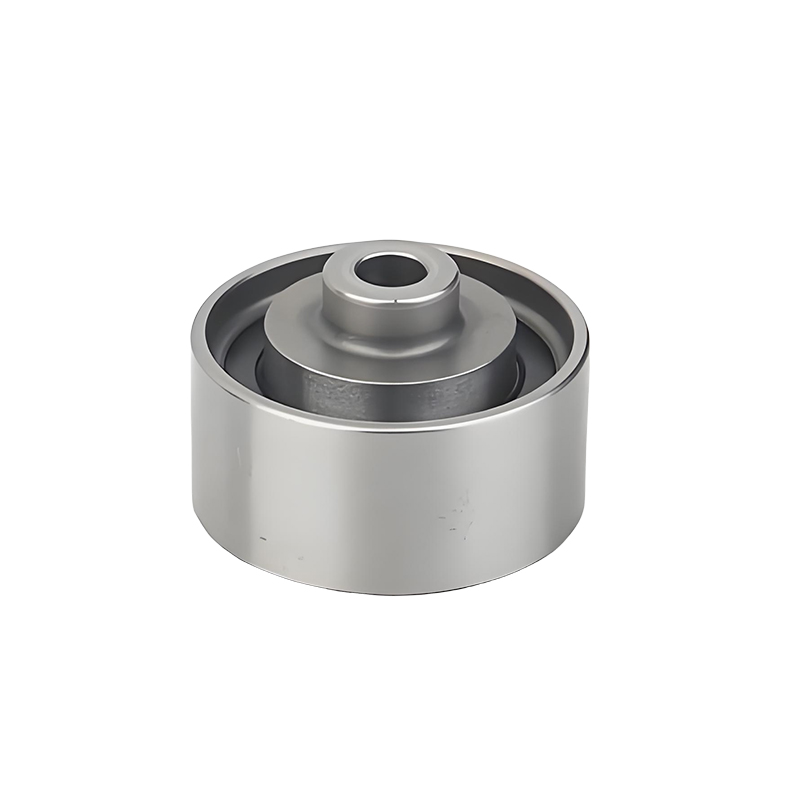
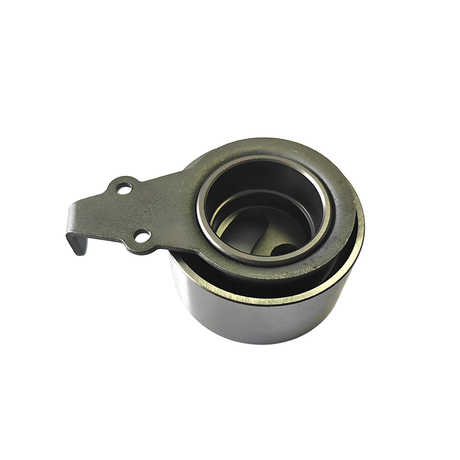
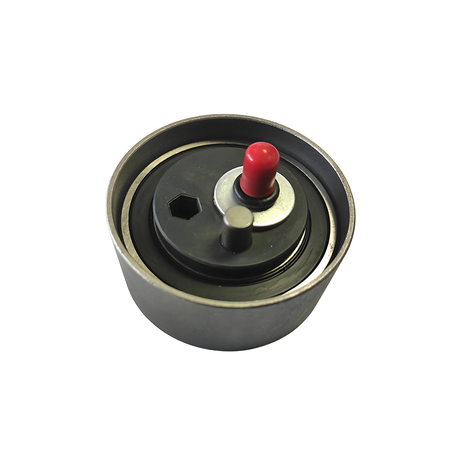
As a key component of the automobile transmission system, non-standard automotive tightening wheel bearings are mainly concentrated in abnormal noise, bearing locking, no tension, and oil leakage in dry parts. The following is a detailed analysis of specific problems and solutions:
1. Problem of abnormal noise
Cause analysis:
Bearing wear: Long-term operation causes balls or rollers inside the bearing to wear, which makes the operation not smooth and produces abnormal sound.
Internal damping mechanism failure: improper assembly of damping mechanisms (such as springs and damping blocks) or poor fit of parts during use, resulting in interference and abnormal noise.
Belt problems: The belt aging, hardening or too loose will affect the coordination with the tightening wheel and cause abnormal noise.
Improper installation: Inaccurate installation position of the tightening wheel or loose tightening screws, resulting in shaking or deviating from the track during work.
Solution:
Replace bearings: If the bearings are worn seriously, new bearings need to be replaced in time to ensure quality adaptability.
Check and adjust the damping mechanism: Reassemble the damping mechanism to ensure that all components are well coordinated and eliminate interference.
Replace or adjust the belt: Check the belt status, replace the aged or too loose belt in time, and adjust it to the appropriate tension.
Reinstall the tightening wheel: Ensure the installation position is accurate, tighten the tightening screws to avoid shaking.
2. Bearing lock problem
Cause analysis:
Grease Problems: Grease ages, decreases or flows out of the inside, resulting in poor lubrication of the bearing inside.
Overload work: The bearings are subjected to excessive load for a long time, resulting in heat generation and grease becoming thinner, further aggravation of poor lubrication.
Solution:
Replace grease: Change grease regularly to ensure good internal lubrication of bearings.
Avoid overload work: Design the transmission system reasonably to avoid excessive loads from bearings for a long time.
Replace bearings: If the bearing is severely locked, new bearings need to be replaced in time.
3. No tension problem
Cause analysis:
Damage to the damping mechanism: the internal spring is misaligned, broken or exceeds the deformation range, resulting in a decrease in damping effect.
Overload use: The tightening wheel is overloaded for a long time, resulting in wear and tear of the internal resistance mechanism and absent.
Solution:
Check and replace the damping mechanism: If the spring is damaged, replace the new spring or damping mechanism in time.
Avoid overload use: Design the transmission system reasonably to avoid overloading of the tightening wheel for a long time.
Adjust the tightening force: Use professional tools to adjust the tightening force to the appropriate range.
IV. Parts Interference Issues
Cause analysis:
Improper installation: The screw strength is insufficient or not installed according to the standard torque, resulting in excessive torque and injury to the screw.
Design defects: Unreasonable parts design, resulting in interference during work.
Solution:
Reinstall and adjust torque: Reinstall the tightening wheels with standard torque to ensure that the screws are tight and not damaged.
Improved design: If there are design defects, the design of parts needs to be improved to eliminate interference.
5. Oil leakage problem (for hydraulic tightening wheels)
Cause analysis:
Oil seal damage: External impurities enter or oil seal quality problems, resulting in damage to the oil seal.
Internal valve body failure: Internal valve body failure or mechanical structure interference, resulting in oil leakage.
Solution:
Replace the oil seal: If the oil seal is damaged, replace the new oil seal in time.
Check and repair internal faults: If there is internal valve body failure or mechanical structure interference, relevant components need to be inspected and repaired.
Cleaning system: Clean the transmission system regularly to avoid external impurities entering.