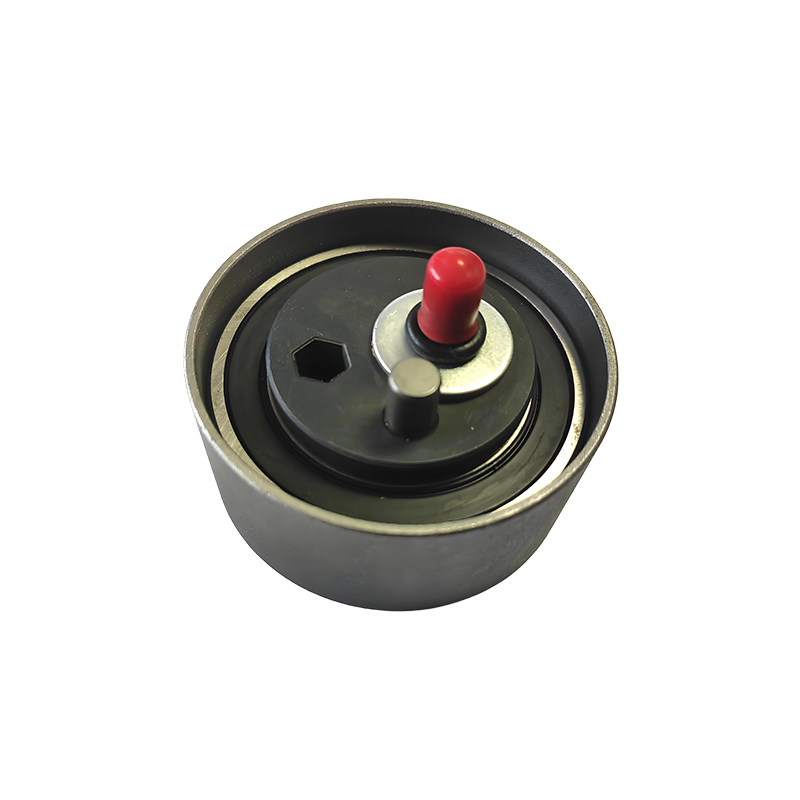
The service life of automotive tensioner bearings is usually between 60,000 and 100,000 kilometers or between 2 and 5 years. However, the specific time is affected by factors such as vehicle type, operating conditions, and maintenance conditions, and needs to be judged based on actual conditions. The following is a detailed explanation: Core influencing factors Model differences Japanese cars (such as Toyota, Honda): It is recommended to replace it every 2-4 years or 60,000-80,000 kilometers. The timing system tensioner is often maintained synchronously with the belt. German cars (such as Volkswagen and Mercedes-Benz): mostly 3-6 years or 80,000-100,000 kilometers. Some high-end models adopt a maintenance-free chain design, but the tensioner still needs to be inspected every 60,000 kilometers. American cars (such as Buick, Ford): The approximate range is 3-5 years or 70,000-90,000 kilometers, and the specific needs to be confirmed based on the engine model. Harsh working environment: long-term driving on dusty, high-temperature, humid or frequent starts and stops, the bearings are prone to accelerated wear. For example, vehicles around the construction site may cause lubrication problems due to sand and dust entering the bearing housing.