English

Views: 0 Author: Site Editor Publish Time: 2026-06-24 Origin: Site


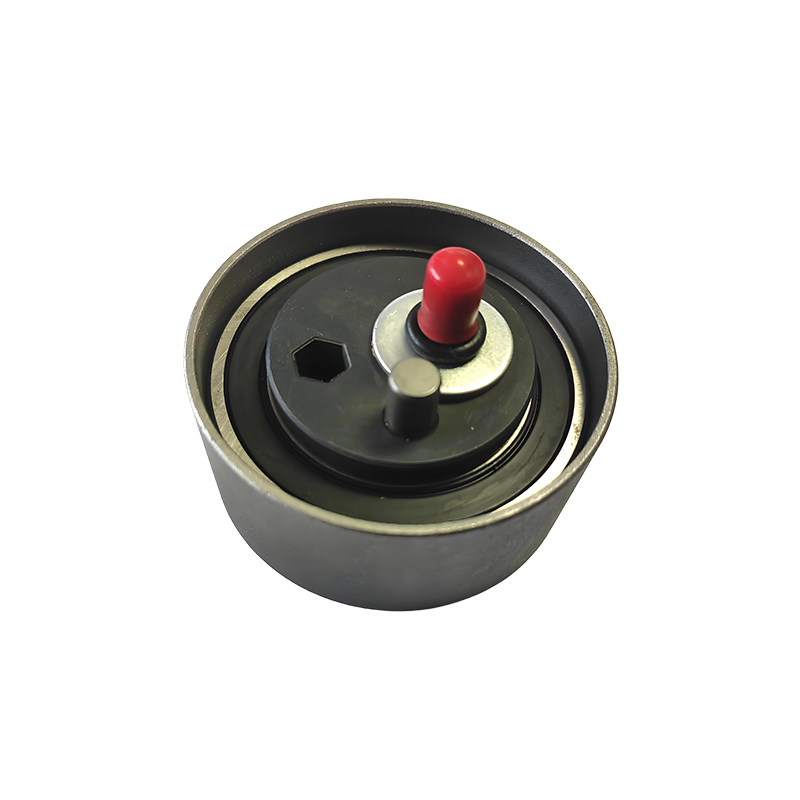
Due to the special size, long procurement cycle and high unit price of non-standard tensioner bearings, the storage quality is directly related to the reliability of subsequent assembly. The following are the key points for systematic storage of this type of bearings:
1. Environmental control: temperature and humidity are the core
The storage location should be a cool, dry, and moderately ventilated indoor warehouse, and open-air stacking is strictly prohibited. The ideal temperature is controlled between 15°C and 25°C, and the temperature difference within 24 hours should not exceed 5°C to 8°C. If the temperature is too low, the anti-rust oil will harden and crack, allowing harmful substances to invade the metal surface and cause corrosion; if the temperature is too high, the anti-rust oil will soften and lose its protective effect. The relative humidity should be maintained between 45% and 75%. A humid environment is the number one killer of bearing rust. It is recommended to turn on a dehumidifier during the rainy season to control the humidity below 60%. The warehouse should be kept away from heat sources such as heating pipes, sinks, and engine exhausts, and away from direct sunlight, especially bearings with rubber seals. Ultraviolet rays will accelerate the aging of the seals.
2. Packaging protection: original packaging is a line of defense
Never remove bearings from original packaging before installation. Non-standard bearings are mostly supplied in small batches and are usually packed with polyethylene film or anti-rust paper as inner packaging, plus cartons or wooden boxes when leaving the factory. As long as the original packaging is sealed and intact, the anti-rust oil layer can effectively isolate air and moisture, and can be stored for up to 10 years under optimal conditions. If the package has been opened, it must be re-wrapped one by one with polyethylene film, and then placed in anti-rust paper or a vapor phase anti-rust bag (VCI bag) to seal to prevent corrosion and contamination. Be sure to wear gloves when handling. Sweat and grease on your hands will leave corrosion hazards on the bearing surface.
3. Storage posture: mainly flat, with full support for large items
Tensioner bearings are mostly small and medium-sized deep groove ball bearings or needle roller bearings with sealed structures. It is recommended to store them horizontally on shelves to avoid damage caused by overturning. Bearings with double dust covers (metal) or double seals can also be stored vertically, but make sure they are stable and do not fall over. If it involves non-standard tensioner bearings with larger outer diameters (such as large-size bearings for some heavy trucks), they must be placed horizontally on a wooden pallet and supported along the entire extension direction of the inner and outer ring sides. Do not store them vertically - the ring wall is relatively thin. When placed vertically, the dead weight of the ring and rolling elements may cause deformation and become an ellipse, which will lead to direct scrapping. All bearings should be at least 30cm away from the ground and elevated with wooden supports or plastic pallets to prevent moisture and dust.
4. Isolated storage: keep away from all harmful substances
Bearing warehouses should be strictly isolated from chemicals. Solvents, fuels, lubricants, acids and alkalis, disinfectants, etc. must not be stored in the same storage with bearings. The volatile gases from these substances will corrode the metal surface of the bearing and even corrode the rubber seal. Due to the special model of non-standard bearings, it is recommended to store them in separate categories and manage them separately from standard parts to avoid mishandling or collisions caused by mixing. There should be no windows or strong drafts in the warehouse. If there are windows, blackout curtains should be used to block the sunlight. At the same time, there should be no obvious source of vibration in the warehouse. The vibration may cause microscopic damage to the raceway and affect the smoothness of the subsequent operation of the tensioner wheel.
5. Inventory management: first in, first out, regular inspection
Due to the long procurement cycle of non-standard bearings, the first-in, first-out (FIFO) principle must be strictly implemented to avoid long-term backlogs that may lead to the deterioration of anti-rust oil. The maximum storage period for double-dust-covered metal bearings is about 2 years, for double-sealed bearings about 3 years, and for open bearings, the anti-rust oil can last about 5 years under suitable conditions. It is recommended to check the storage condition every quarter, focusing on whether the packaging is damaged, whether the anti-rust oil has dried up, and whether there are rust spots or condensation on the surface. For bearings stored for more than 5 years, samples should be taken to check the condition of the anti-corrosion oil. If it is found to be damp, it cannot be installed directly. It needs to be taken out, cleaned, dried, and re-applied with anti-rust protective oil before packaging.
6. Expiration treatment: clean and repackage, do not make do with it
When the bearing is close to or beyond the shelf life, it should be handled according to the following steps: carefully remove it from the original packaging, clean the surface with an appropriate solvent, and visually inspect for signs of corrosion after drying thoroughly. If it is in good condition, re-coat it with anti-corrosion protective oil (such as molybdenum disulfide grease), wrap it in anti-rust paper and put it back in the original packaging. For small bearings with seals, it is not recommended to remove the shield, clean and re-lubricate it yourself, because improper operation can easily damage the seal and introduce contaminants. In this case it is recommended to contact the bearing supplier and utilize their inventory inspection service for professional handling.
In summary, the key to preserving non-standard tensioner bearings is eight words: temperature and humidity control, and the original package will not remain intact. Once non-standard parts are rusted or deformed, the replenishment cycle is often measured in weeks or even months. Spending more time on preservation in the early stage will reduce the risk of production discontinuation in the later stage.