English

Views: 1 Author: Site Editor Publish Time: 2025-11-17 Origin: Site


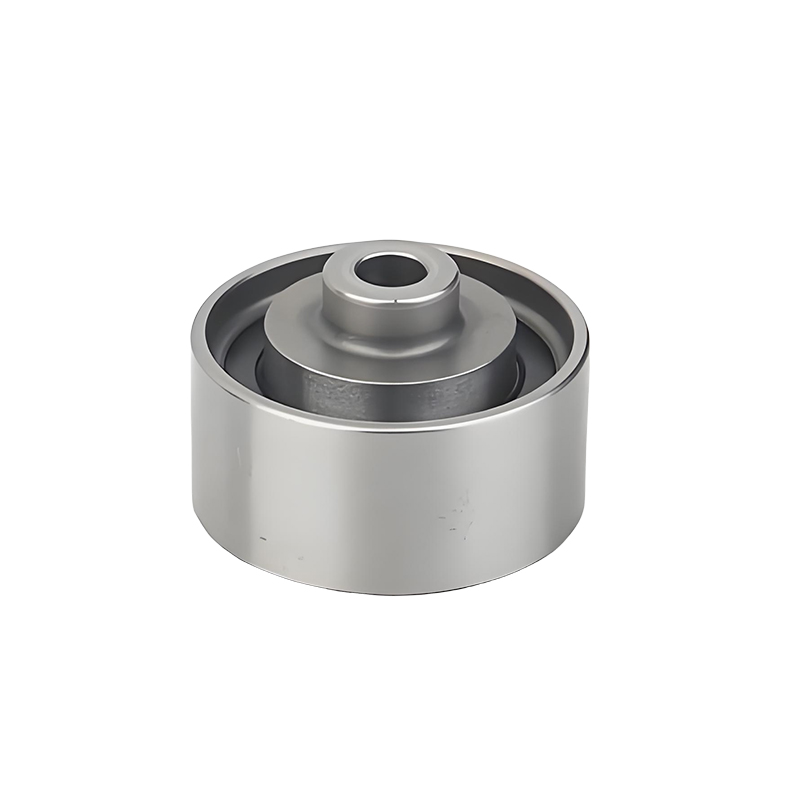
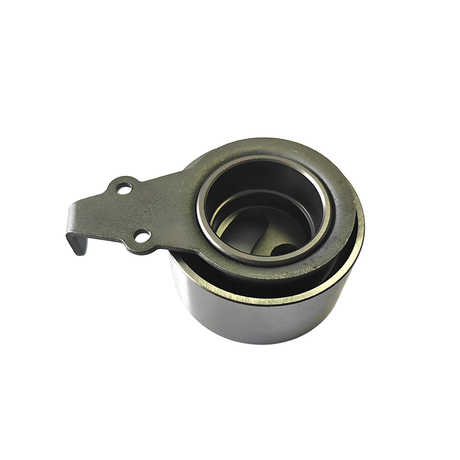
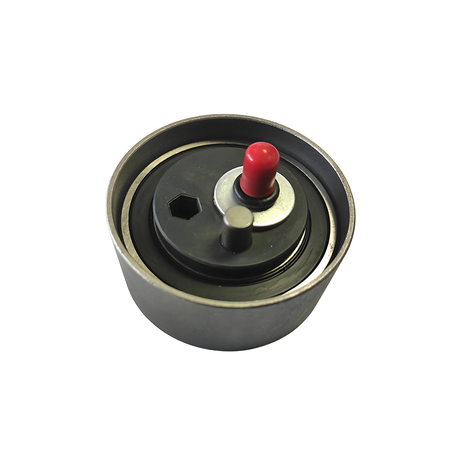
The maintenance cycle of special bearings for automotive tensioners needs to be comprehensively judged based on the vehicle model, usage environment and maintenance content. It is generally recommended to perform basic inspection and lubrication every 2 years or 60,000 kilometers, and perform in-depth maintenance at 80,000 kilometers, but the specifics need to be based on the vehicle maintenance manual. The following is a detailed description:
1. Core basis of maintenance cycle
Basic maintenance cycle
It is recommended that the tensioner pulleys (including special bearings) of most models undergo basic inspection and lubrication every 2 years or 60,000 kilometers. This cycle is suitable for regular driving environments (such as urban roads, highways), and the vehicle is not overloaded for a long time or starts and stops frequently.
Deep maintenance cycle
If the vehicle is used in a harsh environment (such as dusty, humid, high temperature) or has intense driving habits (such as frequent rapid acceleration and sudden braking), it is recommended to shorten the maintenance cycle to every 80,000 kilometers for in-depth maintenance, including cleaning bearings, replacing grease, checking wear, etc.
Differences in models
Japanese cars: For example, Mazda 6, the maintenance period of some models can be extended to 3-5 years or 80,000-100,000 kilometers.
German cars: such as Buick GL8, etc., may require a more stringent maintenance cycle of 3 years/80,000 kilometers.
High-end models: Some luxury brands may adopt maintenance-free designs, but the status needs to be checked regularly.
2. Maintenance content and operation points
basic check
Appearance inspection: Check the bearings for cracks, deformation or corrosion.
Abnormal noise detection: After starting the engine, listen to the tensioner pulley area for abnormal noise (such as metal friction, buzzing).
Belt tension: Use professional tools to measure the belt tension to ensure it is within the range specified by the manufacturer (usually 300-500N).
Lubrication and maintenance
Grease selection: Use automotive-specific high-temperature grease (such as Mobil high-temperature butter) and avoid using ordinary engine oil or butter.
Lubrication method:
After disassembling the bearing, wipe the old grease with a clean cloth and apply new grease to the bearing raceway and rolling element surface.
If the bearing is fully enclosed, grease needs to be injected through the oil seal hole (professional tools are required).
Lubrication amount: Fill the internal space of the bearing with 1/3 to 1/2 grease to avoid excessive increase in operating resistance.
In-depth maintenance (80,000 kilometers or harsh environment)
Clean the bearings: Soak the bearings in gasoline or special cleaning agent, use a soft brush to remove oil stains and impurities, and check for wear after drying.
Replace parts: If the bearing raceway surface, rolling elements or cage are severely worn, pitted or deformed, the entire bearing needs to be replaced.
Replace the belt synchronously: If the tensioner pulley is used with the timing belt or accessory belt, the belt needs to be replaced synchronously (to avoid bearing overload due to belt aging).
3. Precautions to extend bearing life
Avoid overloading: Long-term overloading will increase the load on the bearings and accelerate wear.
Reduce sudden starts and stops: Frequent sudden acceleration or braking will cause sudden changes in belt tension and increase bearing impact.
Regular cleaning: Keep the engine compartment clean to prevent dust and sand from invading the inside of the bearing.
Storage environment: If the vehicle is parked for a long time, it is recommended to cover the engine compartment with a dust cover to reduce the impact of moisture and dust.
4. Handling special situations
Abnormal noise or vibration: If there is abnormal noise in the tensioner area or vehicle body vibration while driving, you need to stop the vehicle immediately for inspection. It may be a sign of bearing damage or belt breakage.
The fault light comes on: Some models are equipped with a tensioner failure sensor. If the relevant warning light lights up on the instrument panel, it needs to be repaired as soon as possible.
The bearing cannot be disassembled: If the bearing and the tensioner are designed as one piece, they need to be replaced as a whole (such as the timing belt tensioner of some Trumpchi models).