English

Views: 0 Author: Site Editor Publish Time: 2026-01-19 Origin: Site


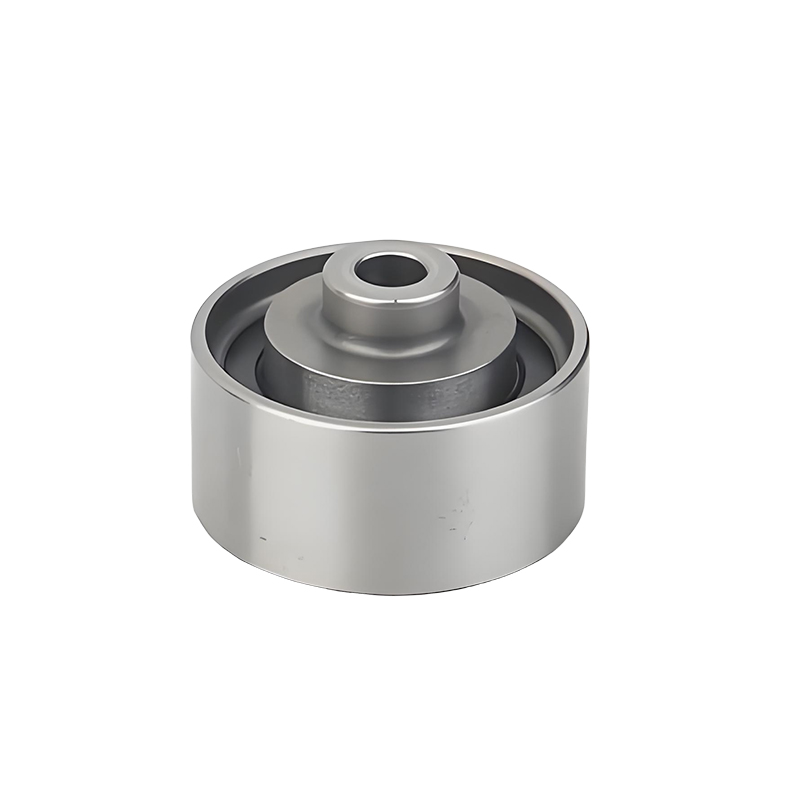
The replacement cycle of automobile tensioners is usually recommended to be within the range of 2 to 6 years or 6 to 100,000 kilometers, but it needs to be comprehensively judged based on the vehicle model, usage environment and maintenance manual. The specific analysis is as follows:
1. Core replacement cycle range
Basic advice
The tensioner replacement cycle for most models is 2 years or 60,000 kilometers, and for some models it can be extended to 3-5 years or 80,000-100,000 kilometers. For example:
Japanese cars: It is usually recommended to replace them every 2-4 years or 60,000-80,000 kilometers.
German cars: It is recommended to inspect and replace them every 3-6 years or 80,000-100,000 kilometers.
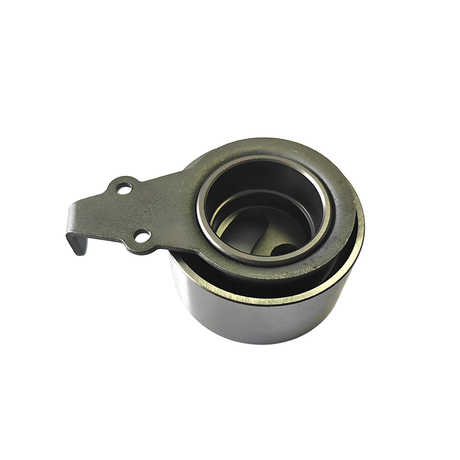
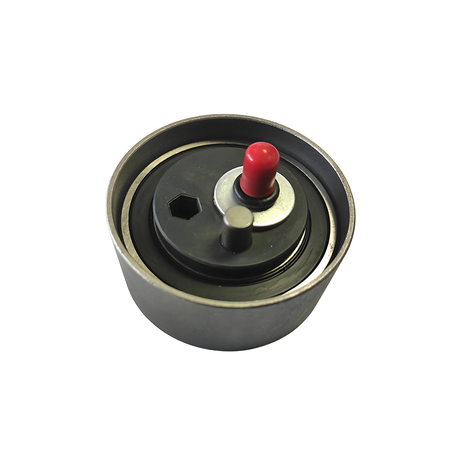
Timing belt tensioner pulley
It needs to be replaced simultaneously with the timing belt, and the cycle is generally 2-3 years or 60,000-70,000 kilometers. The timing system has extremely high requirements on the coordination of components. Replacing them individually may destroy the balance and increase the risk of tooth skipping and valve lift.
Attachment tensioner
For example, generator and air-conditioning belt tensioners are often tied to the maintenance cycle of the corresponding belt. It is recommended to inspect and replace them every 3 to 6 years or 60,000 to 80,000 kilometers.
2. Key factors affecting the replacement cycle
Usage environment
Bad road conditions: Frequent start and stop, driving on mountain roads, or high temperature and high humidity environments will accelerate wear and tear, and need to be checked and replaced in advance.
Smooth road conditions: the service life may be appropriately extended.
driving habits
Intense driving (such as rapid acceleration and sudden braking) will increase the load on the tensioner wheel and shorten its life.
vehicle design
The material and structure differences of the tensioner wheels of different models affect the durability. For example, the wear resistance of aluminum alloy tensioning wheels is better than that of cast iron, but the cost is higher.
3. Regular inspection and fault signals
Check items
Degree of wear: Observe whether there are cracks or signs of wear on the wheel surface.
Belt tension: Press the belt with your hand to check whether the elasticity is moderate.
Abnormal noise: If there is a 'squeaking' sound when starting or driving, it may be that the bearings are worn or the belt is slipping.
Rotation flexibility: Manually turn the tensioner wheel to feel whether it is smooth and whether there is any stuck or abnormal resistance.
Failure performance
Increased engine noise (especially when accelerating).
The timing belt skips teeth, runs jittery, or has difficulty starting.
The tensioner housing leaks oil and is broken and deformed.
4. Replacement suggestions
Refer to the maintenance manual first
The replacement cycles of different models may vary greatly, and official recommendations must prevail.
Complete replacement principle
The timing belt tensioner needs to be replaced simultaneously with the timing belt and idler pulley.
The accessory tensioner can be replaced as a set with the corresponding belt to avoid adaptation problems caused by separate replacement.
Choose formal channels
Purchase well-known brands or original parts to ensure reliable quality and reduce the risk of failure.