English

Views: 0 Author: Site Editor Publish Time: 2025-12-19 Origin: Site


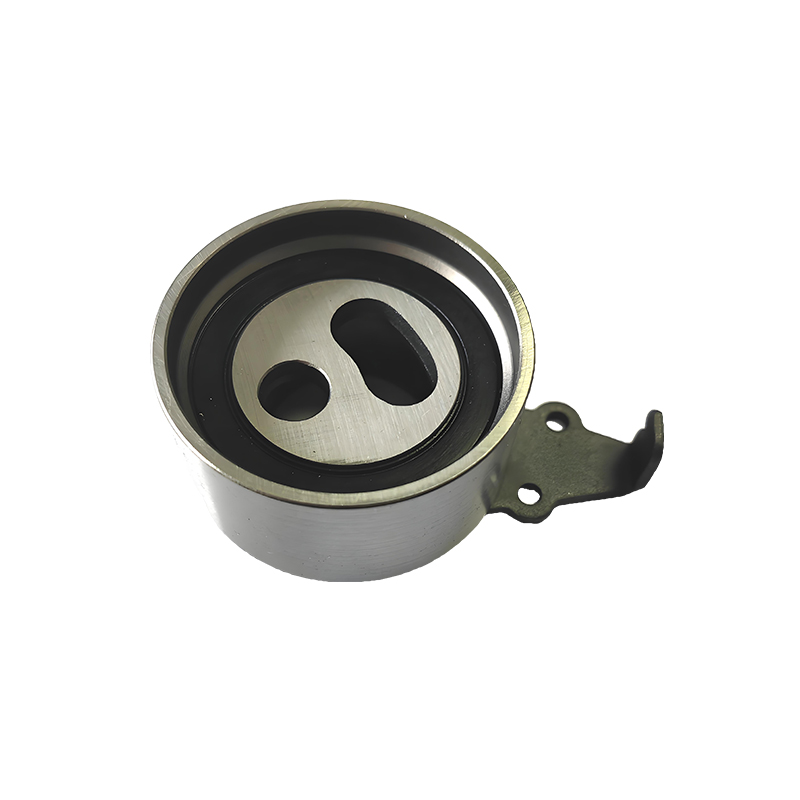
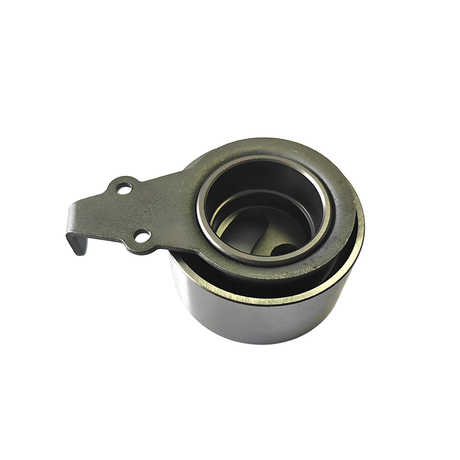
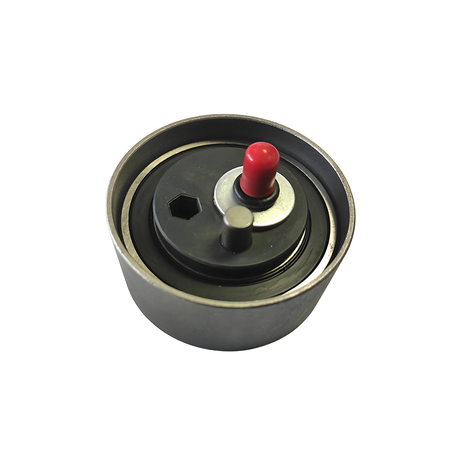
The preservation of special bearings for automotive tensioners requires focusing on environmental control, packaging protection, placement, regular inspection and inventory management. The specific methods are as follows:
1. Environmental control
Temperature: The storage temperature should be stable between 15℃ and 25℃, and avoid severe temperature changes (such as fluctuations exceeding 8℃) to prevent internal stress changes or deformation of the bearing material. High temperature will accelerate metal oxidation and lubricant aging, while low temperature may thicken the lubricant, affecting future operation.
Humidity: Relative humidity should be controlled between 45% and 75%. Too high or too low humidity may have adverse effects on bearing materials (such as metal, plastic cages, seals) and increase the risk of corrosion. In humid environments, you can use a dehumidifier or place a desiccant (such as a silica gel bag) to reduce air humidity.
Ventilation and dust prevention: The storage area should be well ventilated to avoid the accumulation of moist air, while minimizing the intrusion of dust and harmful particles, which may enter the inside of the bearing and cause increased wear during operation. Consider using air filtration devices in storage areas.
Avoid light and anti-corrosion: Avoid direct sunlight, and stay away from heat sources (such as heaters, engine exhaust ports) and volatile sources of corrosive gases or liquids (such as acids, alkalis, salts, etc.). These substances may corrode the metal parts of the bearing or damage seals through gas permeation or direct contact.
2. Packaging protection
Preservation in original packaging: Try to keep the bearings in their original packaging until installation to avoid the adverse effects of corrosion and contaminants. The original packaging usually contains anti-rust paper or vapor phase inhibitor (VCI) bags, which can effectively isolate air and moisture.
Repacking: If the package has been opened, the bearings should be repacked using polyethylene film or anti-rust paper and ensure to be completely sealed. For long-term storage, it is recommended to use VCI (Vapor Phase Inhibitory) paper, which evaporates anti-rust gas and provides longer-term protection.
Marking and classification: Mark the bearing model, quantity and date on the package for future reference. At the same time, they are stored according to bearing types (such as deep groove ball bearings, tapered roller bearings, etc.), and bearings of the same model are placed together to facilitate subsequent searches. High-precision bearings should be stored separately to avoid collision or vibration.
3. Placement method
Place horizontally: Bearings should be placed horizontally to avoid damage caused by falling. For large bearings, support should be provided along the entire extension of the sides of the inner and outer rings to ensure stability. Vertical storage may cause the weight of the bearing rings and rolling elements to deform the bearing because the ring walls are relatively thin.
Storage off the ground: Bearings should be stored on a sturdy, level wooden or plastic pallet at least 10 cm to 15 cm above the ground to facilitate ventilation, moisture-proofing, and avoid direct contact with ground contaminants. Avoid placing bearings directly on metal floors or wet floors to prevent electrolytic corrosion.
4. Regular inspection
Packaging inspection: Check once a month whether the bearing packaging is intact and whether the anti-rust measures have failed. If moisture or damaged packaging is found, it should be reprocessed immediately and stored in isolation.
Bearing status inspection: Regularly check whether the bearing has corrosion, wear and other problems, and check whether the inner diameter of the bearing and the journal meet the standards. For long-term storage bearings, food-grade anti-rust oil (such as molybdenum disulfide grease) can be applied, wrapped in anti-rust paper, and then placed in a VCI bag.
5. Inventory management
First in, first out: Follow the first in, first out (FIFO) inventory strategy to ensure that the bearings that are put into storage first are used first to avoid bearings being overstocked for a long time and causing performance degradation.
Regular replacement: Set the replacement cycle reasonably according to the operating conditions of the bearing, and replace the bearing regularly to ensure the performance and accuracy of the bearing.