English

Views: 0 Author: Site Editor Publish Time: 2025-12-27 Origin: Site


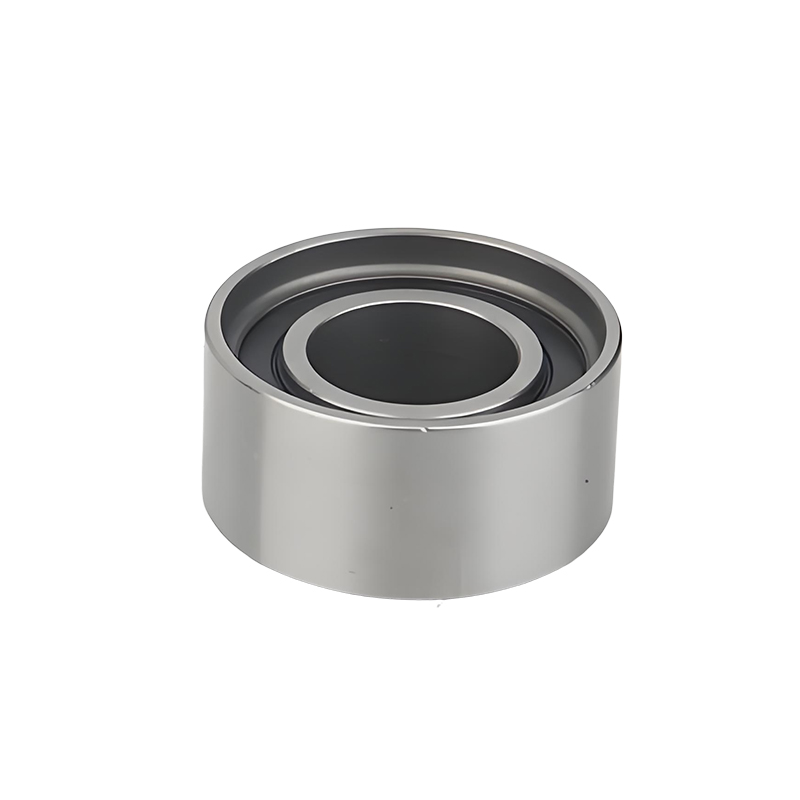
Automotive tensioner non-standard bearings are non-standard size bearings specially designed for tensioners. Their use requires a combination of the functions of the tensioner and the characteristics of non-standard bearings, covering the three core links of installation, adjustment and maintenance:
1. Installation: accurate matching and standardized operation
size match
The dimensions of non-standard bearings (such as inner diameter, outer diameter, width) must strictly comply with the design requirements of the tensioner. For example, if the inner diameter of a standard bearing is 50mm and the inner diameter of a non-standard bearing is 49mm, it is necessary to confirm whether this size matches the diameter of the tensioner shaft to avoid installation failure or abnormal operation due to size deviation.
Cleaning and inspection
Before installation, clean the mounting surface of the tensioner wheel and the bearing seat to remove oil dirt and impurities to ensure that the mounting surface is smooth.
Check the appearance of the bearing to confirm that there are no cracks, scratches and other defects, and measure whether the dimensions meet the design standards.
Apply an appropriate amount of grease (such as lithium-based grease) on the inner and outer rings and balls of the bearing to reduce friction and extend service life.
Special tool installation
Use a hydraulic press or special press-fitting tool to press the bearing smoothly into the tensioner seat, avoiding direct knocking of the bearing to prevent damage.
When pressing, keep the force even and ensure that the bearing and seat hole fit tightly without any gaps.
2. Adjustment: dynamic balance and tension control
initial adjustment
After installation is complete, adjust the tension of the tensioner according to the belt type (such as timing belt, accessory belt).
Use a wrench or socket to loosen the tensioner pulley fixing bolt, and slowly turn the tensioner pulley to make the belt reach the appropriate tightness (usually the belt should sink 10-15mm when pressed).
Tighten the fixing bolts to ensure that the tensioner wheel is in a stable position.
dynamic monitoring
Start the engine and observe the belt operation to see if there is any abnormal noise, slipping or shaking.
If the belt is too loose, the tensioner needs to be readjusted; if it is too tight, it may accelerate the wear of the belt and bearings, so it needs to be relaxed appropriately.
Regular re-examination
Every 20,000 kilometers or as required in the maintenance manual, check the wear of the tensioner bearing and the condition of the belt.
If the bearing is found to be stuck, the noise is increased, or the belt is cracked, the bearing or belt needs to be replaced in time.
3. Maintenance: Lubrication and Antifouling
Lubrication and maintenance
Replenish grease regularly (such as every 10,000 kilometers) to ensure sufficient internal lubrication of the bearing.
Avoid mixing greases from different brands or models to prevent chemical reactions that can degrade performance.
Anti-fouling and dust-proof
Keep the area around the tensioner wheel clean to prevent dust and metal shavings from entering the bearing and accelerating wear.
If the tensioner is equipped with a dust cover, its integrity must be checked regularly and replaced in time if damaged.
Exception handling
If the tensioner makes abnormal noise, shakes, or cannot be adjusted, it may be that the bearing is damaged or the adjustment device is faulty, and the damaged parts need to be disassembled, inspected, and replaced.
Avoid frequently adjusting the tensioner while driving to avoid affecting its service life.
4. Special precautions for non-standard bearings
Customized adaptation
Non-standard bearings are mostly customized products, and the design parameters (such as load, speed, temperature range) need to be confirmed with the tensioner manufacturer to ensure that the bearing performance meets the requirements.
For example, high-temperature bearing materials (such as ceramics or special alloys) need to be used in high-temperature environments.
supply chain management
Non-standard bearings have small batch sizes and high costs. It is necessary to choose a reputable supplier to ensure stable quality.
Reserve an appropriate amount of spare bearings to avoid maintenance delays due to production shutdowns or long supply cycles.
Professional repair support
When a non-standard bearing fails, it is recommended to contact professional maintenance personnel or the manufacturer to avoid further damage caused by improper disassembly.