English

Views: 0 Author: Site Editor Publish Time: 2025-11-28 Origin: Site


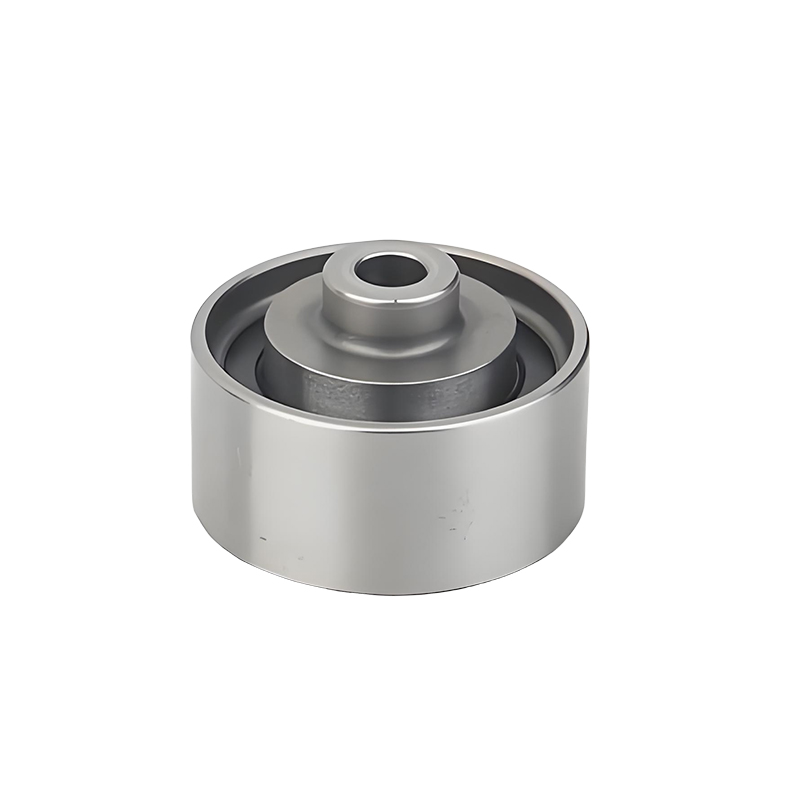
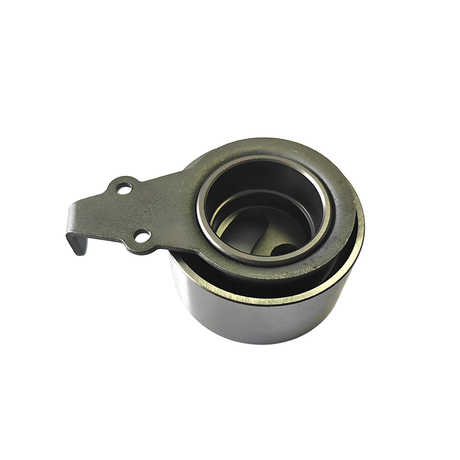
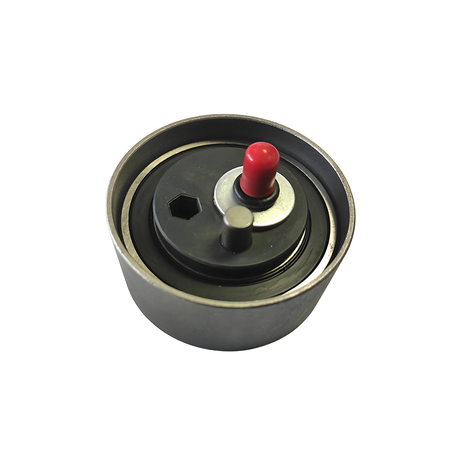
The special bearing for automobile tensioner is a key component in the automobile engine timing system or accessory transmission system. Its function is to support the tensioner through the rotation of the bearing, so that the transmission belt (such as timing belt, multi-V belt) maintains appropriate tension and ensures the stable operation of the transmission system. The following is a detailed description of its usage and precautions:
1. Preparation before installation
Check bearings and accessories
Confirm that the bearing model matches the vehicle model, and check whether there are cracks, rust, or deformation in the appearance of the bearing.
Check whether the tensioner arms, springs, bolts and other accessories are intact and ensure they are not worn or loose.
Clean installation environment
Thoroughly clean the installation location in the engine compartment to prevent dust, oil or metal debris from entering the bearing.
Use special cleaner to wipe the contact surface between the bearing seat and the tensioner arm to ensure that there are no impurities.
Lubrication treatment (some models require manual lubrication)
If the bearing has an open structure (non-sealed type), an appropriate amount of high-temperature grease (such as lithium-based grease) needs to be applied before installation, focusing on lubricating the bearing raceways and balls.
Sealed bearings are usually pre-filled with grease and do not need to add additional grease, but you need to check whether the sealing ring is intact.
2. Installation steps
Positioning and fixing
Align the bearing with the mounting hole of the tensioner arm, and press gently until it is fully embedded, ensuring that the outer ring of the bearing and the tensioner arm are tightly fitted.
Use special tools (such as a torque wrench) to tighten the fixing bolts according to the torque value specified in the vehicle manual (usually 15-30N·m) to avoid over-tightening or over-loosening.
Install the tensioner wheel assembly
Install the tensioner assembly (including bearings) to the designated position of the engine to ensure that the tensioner arm can swing freely.
Connect the spring or hydraulic device (if it is an automatic tensioning wheel), and adjust the spring tension to the specified value so that the transmission belt maintains the initial tension.
Install drive belt
Install the timing belt or V-belt according to the vehicle manual, making sure the belt is fully embedded in the tooth grooves or grooves of the tensioner pulley and each pulley.
Manually turn the crankshaft (timing system) or generator pulley (accessory system) to check whether the belt runs smoothly without skipping teeth or slipping.
3. Precautions for use
Avoid overload and shock
It is prohibited to forcibly disassemble or install the tensioner bearing when the engine is not turned off to prevent the belt from suddenly loosening and causing the bearing to be subject to impact load.
Avoid using sharp tools to hit the bearing to prevent the seal ring from being damaged or the balls from falling off.
Regular inspection and maintenance
Appearance inspection: Every 20,000 kilometers, check whether the bearing seal ring is leaking, whether the tensioner arm is deformed, and whether the belt is worn.
Operation monitoring: Use a stethoscope or vibration analyzer to detect the running noise of the bearing. If there is abnormal friction sound or vibration, it needs to be replaced immediately.
Tension adjustment: Adjust the tensioner spring tension according to the period specified in the vehicle manual (such as every 60,000 kilometers) to ensure that the belt tension is within the standard range (usually measured with a tension meter).
environmental adaptability
Vehicles traveling in high temperature, high humidity or dusty environments need to shorten the inspection cycle to prevent grease deterioration or seal aging.
When the vehicle is parked for a long time, it is recommended to start the engine regularly and run it for a short time to prevent grease precipitation or rust on the bearings due to long-term inactivity.
4. Troubleshooting and replacement
Common faults
Bearing stuck: The sealing ring is damaged, causing impurities to enter, or the grease dries up, causing friction to increase.
The tensioner wheel swings abnormally: the inner or outer ring of the bearing is worn, causing the tensioner wheel arm to be unable to swing freely.
The belt is eccentrically worn or broken: the axial clearance of the bearing is too large, causing the tensioner to deflect and causing uneven stress on the edge of the belt.
Replacement steps
Loosen the tensioner pulley fixing bolt, release the spring tension, and remove the old tensioner pulley assembly.
After cleaning the mounting seat and checking that there are no residual impurities, install the new bearing and tensioner according to the installation steps.
Re-adjust the belt tension, start the engine and run it at idle speed for 5 minutes, and observe whether the tensioner wheel runs smoothly.
5. Storage management (spare parts storage)
Environmental requirements
Store in a dry, ventilated warehouse with temperature controlled between -20°C and +50°C and relative humidity ≤60%.
Avoid contact with corrosive substances (such as acids, alkalis) to prevent corrosion of bearing materials.
Packaging and protection
Keep the original packaging or use anti-rust paper to wrap the bearings, and add a plastic film on the outer layer to prevent dust.
During long-term storage, rotate the bearing 1-2 times every 6 months to prevent grease precipitation or ball adhesion.