English

Views: 0 Author: Site Editor Publish Time: 2025-09-08 Origin: Site


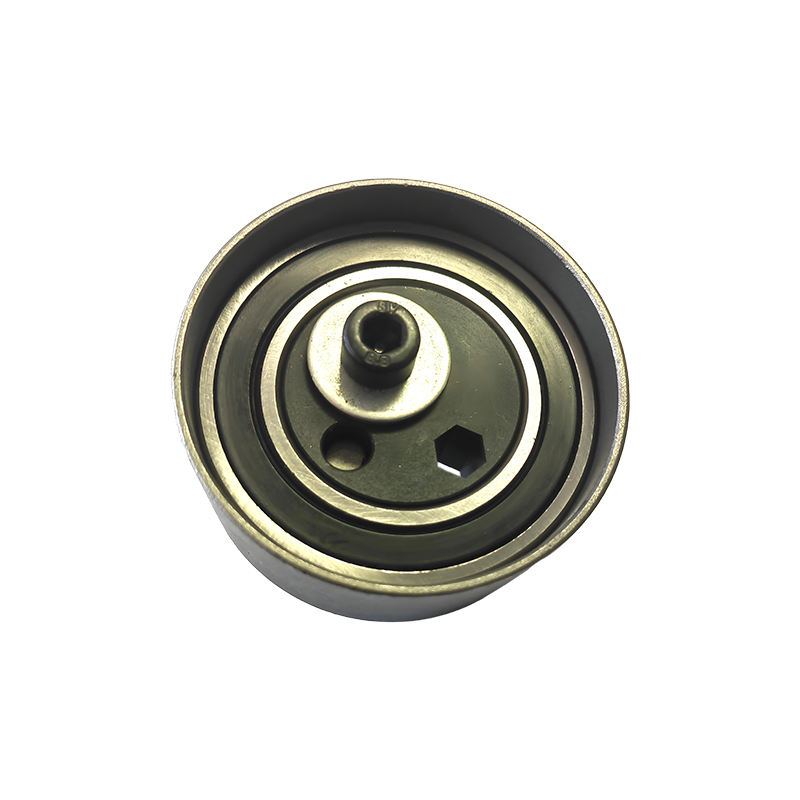
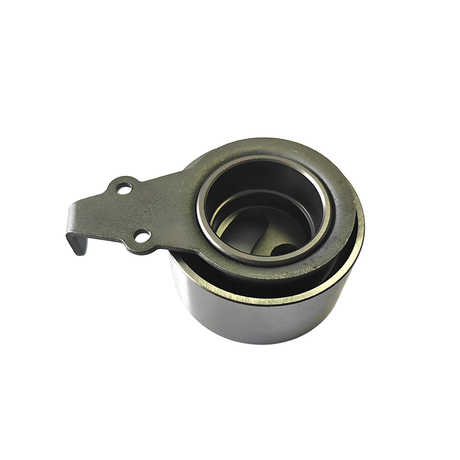
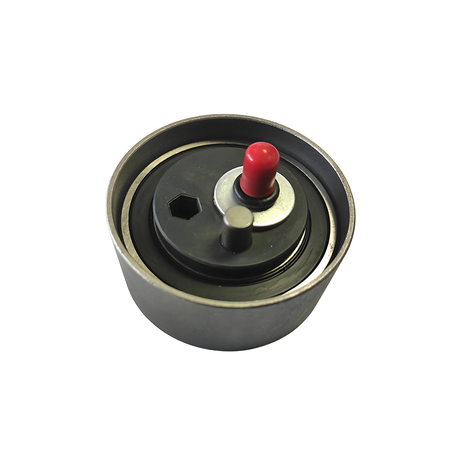
The installation of automotive tightening wheel bearings must follow strict operating specifications to ensure stable operation of the transmission system and extend the life of the components. The following are the detailed installation steps and precautions:
1. Installation steps
Preparation
Tool preparation: Prepare adaptive tools such as wrench, sleeve, torque wrench, screwdriver, etc. to ensure that the tools are complete and in good condition.
Parts inspection:
Confirm that the new tightening wheel bearing matches the vehicle model and check whether the appearance is cracked, worn or deformed.
Turn the bearing manually to check whether the rotation is flexible, without jamming or abnormal noise.
Vehicle preparation:
Make sure the engine is completely cooled and avoid scalding caused by high temperature operation.
Open the hood and find the tightening wheel position (usually located on the front of the engine, surrounded by a belt).
Disassemble old tightening wheel bearings
Loosen bolts: Use a sleeve wrench to loosen the bolts that fix the tightening wheel, pay attention to uniform force to avoid damaging the bolts or tightening wheels.
Remove the old parts: Carefully remove the old tightening wheel bearings to avoid bumping into peripheral parts.
Clean installation location: Use a clean rag to remove dust, oil and impurities from the installation area to ensure that the new parts are installed firmly.
Install new tightening wheel bearings
Preliminary fixation: Align the new tightening wheel bearings at the installation position and initially fix them with bolts, but do not tighten them completely for subsequent adjustments.
Adjust belt tension:
According to the vehicle's technical requirements, the belt tension is adjusted by rotating or moving the tightening wheel.
The belt tension should be moderate: too loose will cause slippage, and too tight will accelerate wear of the belt and bearings.
Judgment method: Press the belt with your fingers, and the sinking amount should be within the specified range (usually 10-15mm).
Tightening bolts:
Use a torque wrench to tighten the bolts according to the torque value specified by the vehicle (such as 30-50N·m) to ensure that the tightening wheels are installed firmly.
Fastening sequence: first tighten diagonally, then gradually tighten to the specified torque.
Install belt
Belt direction: Install belts strictly in accordance with vehicle design requirements to ensure that the belt is smoothly bypassed by the wheels without twisting or folding.
Avoid interference: Check whether the belt interferes with other components (such as water pipes and wiring harnesses), and adjust the position of the components if necessary.
Check and test
Static check:
Make sure the belt is correctly installed on the tightening wheels and other related components, and there is no risk of deviation or falling off.
Check whether the tightening wheel bolts are tight and there is no looseness.
Dynamic testing:
Start the engine, observe the belt operation, and check for jitter, slippage or abnormal noise.
After running for 5-10 minutes, check the bolt tightening condition again to ensure there is no looseness.
2. Things to note
Select reliable quality parts
There are a variety of brands and quality tightening wheel bearings on the market. Products that meet vehicle specifications and quality standards should be selected to avoid using inferior or refurbished parts.
Avoid damage to parts
Be careful during operation to avoid bumps and scratches of tightening wheel bearings and peripheral components.
When disassembling and installing, use special tools to avoid direct tapping or violent operation.
Operate strictly in accordance with technical specifications
The installation methods and requirements of tightening wheels for different models may be different. Be sure to refer to the vehicle's maintenance manual and technical specifications for operation.
For example, some models may require special tools to adjust belt tension, or have special requirements for the bolt tightening sequence.
Check belt condition
After installing the tightening wheel bearing, carefully check the wear, cracks, etc. of the belt.
If the belt is aging or damaged, it should be replaced in time to avoid damage to the engine due to belt breakage.
Keep the environment clean
During the installation process, the working area should be kept clean to avoid impurities such as dust and oil stains entering the bearing, affecting the service life.
After installation, clean up the debris in the engine compartment to ensure there are no legacy tools or components.