English

Views: 0 Author: Site Editor Publish Time: 2025-09-15 Origin: Site


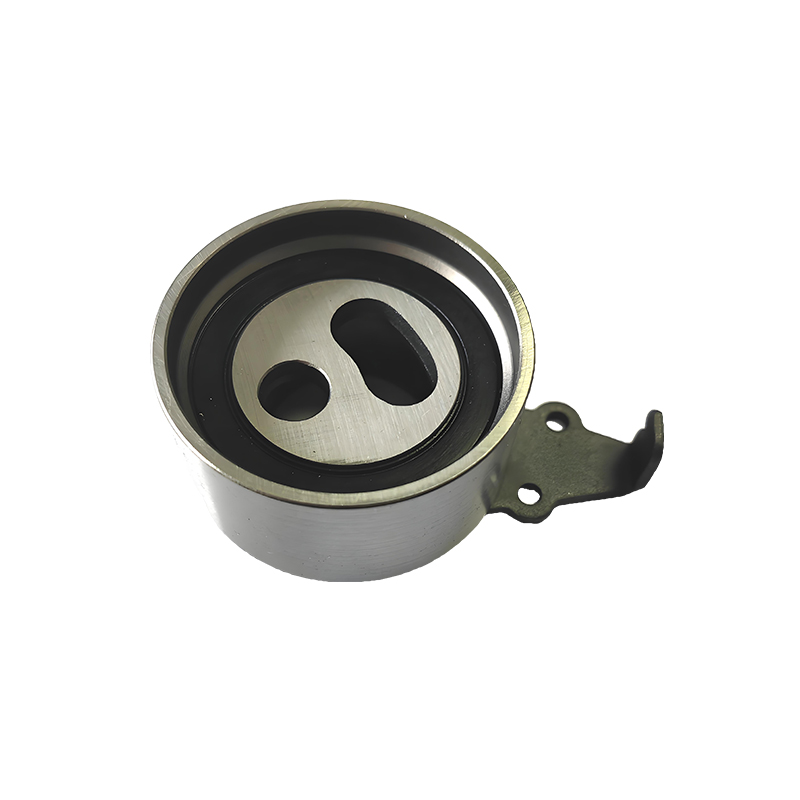
The maintenance methods for tightening wheel bearings are as follows:
Cleaning and inspection:
Remove the bearing: Use appropriate tools and methods to remove the tightening wheel bearing to avoid damaging the bearing or related components.
Clean the bearings: Use neutral cleaning agents such as gasoline and kerosene to thoroughly clean the bearings, and divide them into two steps: coarse washing and fine washing. When washing roughly, place the bearing in a container with a filter and use a brush to remove grease and adhesions; when washing finely, slowly rotate the bearing in a clean cleaner to ensure that every detail is clean.
Check the bearing: After cleaning, carefully check the wear of the raceway surface, rolling surface, mating surface and cage of the bearing to see if the bearing clearance has increased and whether the dimensional accuracy has decreased. If the inner and outer rings, rolling elements, and cages have defects such as cracks, debris, and peeling, the bearings need to be replaced in time.
Lubrication maintenance:
Select Lubricant: Choose the right lubricant according to the bearing type and use environment. Car tightening wheel bearings are often lubricated with butter (grease) and some models may recommend using specific brands or types of high-temperature grease, which must be followed by the manufacturer's recommendation.
Add lubricant: Add lubricant to the lubricant in the bearing lubricating area to avoid too much or too little. The lubrication method can be applied or dripping oil. When applying, make sure the lubricant is evenly distributed throughout the bearing.
Regular replacement: Change the lubricant or grease at least once every six months and carefully check the bearing status.
Installation and debugging:
Correct installation: Use appropriate tools and methods to install tightening wheel bearings to avoid strong stamping or hammering to avoid damage to the bearing or affecting performance. For precision bearings, be more careful to operate.
Adjust the tension force: After installation, adjust the tension force of the tightening wheels according to the requirements of the automobile transmission system to ensure that the belt is elastic and suitable, and ensure the stable, safe and reliable operation of the transmission system.
Regular inspection and maintenance:
Regular inspection: Generally, check the tightening wheel bearings for about 2 years or 60,000 kilometers, and replace them if necessary. Pay attention to the operating conditions of the tightening wheel bearings during use, such as whether there is abnormal noise or sharp increase in local temperature.
Check the transmission parts: Check regularly whether the transmission belt cabin cover is locked intact, lubricate the pulley and tightening wheel bearings, and clean the conveyor belt. Check the pulleys and conveyor belts for signs of damage and wear and the status of the belt tensioning device from time to time.
Notes:
Avoid overload: The vehicle should work within the rated load range to avoid severe overloading leading to bearing overload, causing early failure and vehicle failure.
Prevent corrosion: Bearing exposure to humid environments can lead to moisture intrusion, causing rust and premature failure. In corrosive environment applications, appropriate bearing materials and sealing forms are required.
Select alternatives: If the bearing reaches its service life, it is necessary to replace it with bearings with the same quality or higher as the original bearing to avoid greater losses due to low-quality alternatives.
Seek professional help: If you have questions or encounter complex problems, seek help from a bearing professional for better maintenance methods and advice.