English

Views: 0 Author: Site Editor Publish Time: 2026-01-09 Origin: Site


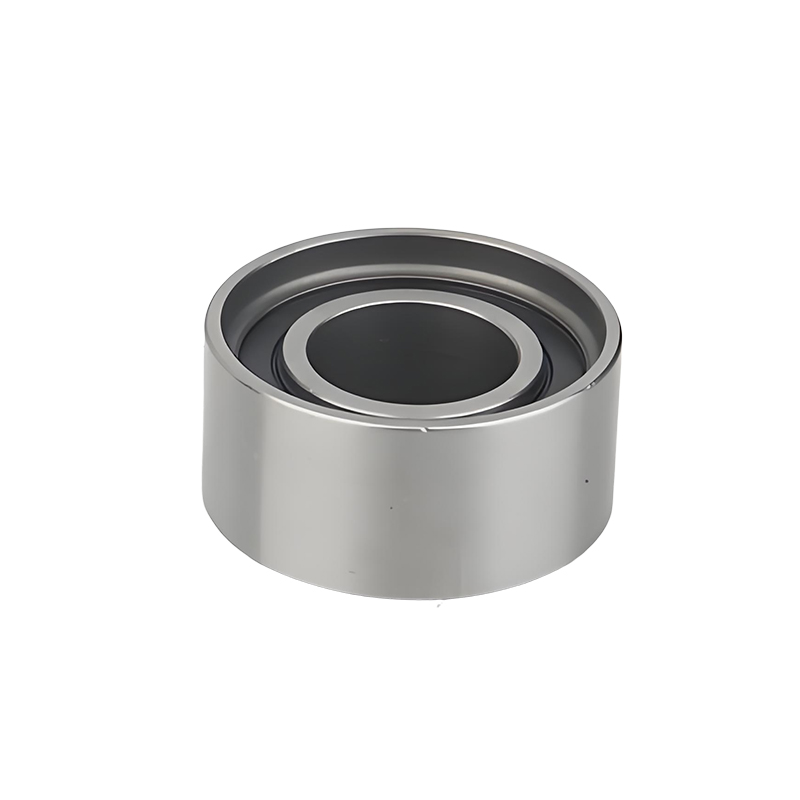
The maintenance of special non-standard bearings for automobile tensioners needs to start from five core links: cleaning, lubrication, inspection, installation and usage habits. The specific methods are as follows:
1. Cleaning: Prevent impurities from intruding and extend bearing life
Disassembly and cleaning
Remove the bearing from the tensioner pulley and soak the bearing in special bearing cleaning agent or gasoline (operate in a well-ventilated environment away from fire sources).
Use a soft-bristled brush to gently scrub the bearing surface and raceways to remove oil, dust and metal debris. Avoid using hard tools to prevent scratching the bearing surface.
After cleaning is completed, dry the bearing with a clean non-woven cloth to ensure that there is no residual cleaning agent or moisture to prevent rust.
Sealed protection
After cleaning, check whether the bearing seal ring is intact. If it is aged or damaged, it needs to be replaced in time to prevent impurities from entering the inside of the bearing.
2. Lubrication: Reduce friction and wear
Choose the right lubricant
Select lubricant according to the bearing working environment:
High-temperature environment: Use high-temperature resistant grease (such as lithium-based grease) to ensure that it will not be lost or carbonized at high temperatures.
High-load environment: Use grease with high load-bearing capacity (such as polyurea-based grease) to enhance anti-wear performance.
High-speed operation: Use low-viscosity lubricating oil (such as SAE 10W-30) to reduce frictional resistance.
Apply lubricant evenly
Use an oil gun or a special brush to evenly apply lubricant to the bearing raceway, rolling elements and cage to ensure that every part is fully lubricated.
Avoid over-application to prevent lubricant from overflowing and contaminating other parts or attracting dust.
3. Inspection: Discover hidden dangers in time to avoid expansion of faults
Appearance inspection
Observe whether there are cracks, deformation or rust on the bearing surface, and whether there are peeling, indentation and other damage on the raceway and rolling elements.
Check whether the bearing clearance is within a reasonable range (usually measured by a feeler gauge or dial indicator). If the clearance is too large or too small, it will affect the normal operation of the bearing.
Operation test
Manually rotate the bearing to feel for any sticking, abnormal noise or abnormal vibration.
With the tensioner installed, start the engine and listen to the running sound of the bearing. If there is a 'buzzing' sound or metal friction sound, the bearing may be excessively worn and needs to be replaced immediately.
4. Installation: Standardize operation to avoid secondary damage
Use special tools
When disassembling and installing bearings, be sure to use special pullers, sleeves and other tools to avoid directly hitting the bearings with a hammer to prevent deformation or damage.
When installing, ensure that the bearing and the tensioner shaft fit tightly without deflection or looseness.
Anti-rust treatment
Apply a thin layer of anti-rust oil on the bearing surface before installation to prevent hand sweat from corroding the bearings during installation.
After the installation is completed, check whether the tightening wheel fixing bolts are tightened to the specified torque (usually 20-30N·m) to prevent loosening and causing the bearing to be unbalanced.
5. Usage habits: reduce impact and extend lifespan
Avoid sudden acceleration/braking
Frequent sudden acceleration or braking will cause the tensioner wheel to bear huge impact force and accelerate bearing wear. Maintain stable driving habits and reduce impact on bearings.
Replace belts regularly
The tensioner works together with the belt. Aging or slackening of the belt will increase the load on the bearings. It is recommended to check the belt status every 50,000 kilometers and replace the belt and tensioner assembly (including bearings) every 100,000 kilometers.
Regular maintenance cycle
Daily inspection: Check the bearing appearance and operating sound every 5,000 kilometers.
In-depth maintenance: disassemble, clean bearings and replace grease every 20,000 kilometers (shortened to 10,000 kilometers in harsh environments).
Replacement cycle: When there is abnormal noise, vibration or excessive clearance in the bearing, it must be replaced immediately to avoid damage to the tensioner pulley or failure of the engine timing system.