English

Views: 0 Author: Site Editor Publish Time: 2025-08-01 Origin: Site


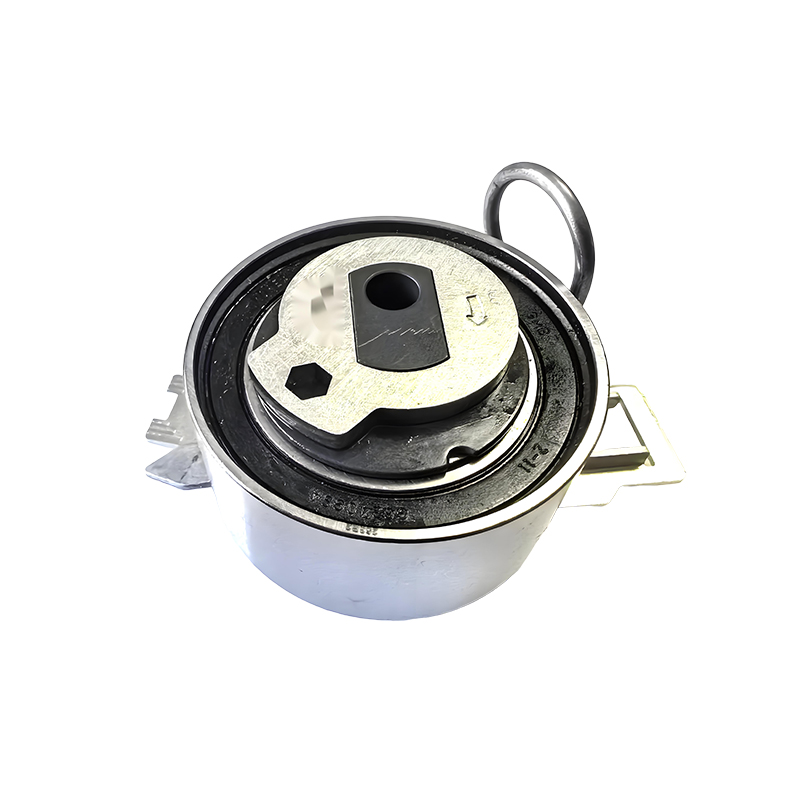
Car tightening wheel bearings are key components in the timing system or accessory transmission system of the automobile engine. They are usually integrated inside the tightening wheel and used in conjunction with belts (such as timing belts, multi-wedge belts or snake belts). Its core purpose is to ensure stable operation of the engine transmission system by precisely controlling belt tension, while protecting the belt and other related components from excessive wear or damage. The following is a detailed analysis of its specific purpose:
1. Maintain belt tension to prevent slipping
Principle of action:
The tightening wheel bearing applies constant pressure to the tightening wheel through a spring or hydraulic mechanism, so that the belt always maintains proper tension. When the belt is stretched due to wear, temperature changes or load fluctuations, the bearing will drive the tightening wheel to automatically adjust the position to compensate for the belt length changes and avoid the belt slippage.
Application scenario: Timing system: In timing belt transmission, if the belt slips, it will cause the valve to be out of synchronization with the piston movement, causing serious engine damage (such as the top valve). The tightening wheel bearing ensures that the timing belt is closely engaged with the crankshaft and camshaft gear to maintain the precise gas distribution phase.
Accessories transmission system: If the belt that drives the generator, air conditioning compressor, water pump and other accessories slips, it will cause abnormal equipment operation (such as insufficient generator power generation and failure of air conditioning cooling). The tightening wheel bearing ensures stable transmission of the belt and ensures normal operation of the accessories.
2. Reduce belt wear and extend service life
Principle of action:
The belt can accelerate wear when it is too loose or too tight. The tension bearing dynamically adjusts the tension, so that the belt is always within the optimal working tension range, reducing friction and wear between the belt and the pulley.
Data support: Experiments show that the life of a reasonably tightened belt can be 2-3 times longer than that of a belt that is not tightened or over-tensioned.
Precision bearing designs for tightening wheel bearings (such as deep groove ball bearings or needle roller bearings) reduce rotational resistance and further reduce belt wear.
3. Absorb vibration and reduce noise
Principle of action:
The belt drive system generates vibration and noise when the engine is running. The damping structure inside the tightening wheel bearing (such as rubber cushioning pads or hydraulic dampers) absorbs vibration energy and suppresses belt resonance, thereby reducing noise levels.
Application effect: Under idle speed or low speed operating conditions, the tightening wheel bearing can significantly reduce the abnormal noise of the belt'squeak'.
At high-speed operating conditions, its damping properties prevent the belt from jumping or falling off due to vibration.
4. Protect the engine and other components
Prevent belt breakage:
Excessive wear or slippage of the belt can cause breakage, which in turn causes the engine accessories to stop (such as the engine overheating if the water pump stops). Tightening wheel bearings reduce the risk of fracture by maintaining the healthy belt.
Avoid damage to associated parts:
In timing systems, a belt breakage may cause a collision between the valve and the piston, causing the engine to be scrapped. The reliability of tightening wheel bearings is directly related to the safety of the core components of the engine.
5. Adapt to different working conditions
Temperature adaptability:
The temperature range in the engine compartment is wide (-40℃ to 150℃). The tightening wheel bearings need to adopt high-temperature grease and sealing design to ensure stable operation under extreme temperatures.
Load change response:
When the engine load suddenly changes (such as sudden acceleration and air conditioning is turned on), the belt tension will fluctuate instantly. The tightening wheel bearing needs to respond quickly and adjust the tension to maintain system stability.
6. Advantages of integrated design
Compact structure:
Modern tightening wheel bearings mostly adopt integrated design, integrating bearings, tightening arms, springs and other components into one to reduce installation space and weight.
Convenience of maintenance:
Some tightening wheel bearings are designed as maintenance-free, and internal grease can be used for a long time to reduce maintenance costs.
Typical application cases
Timing tightening wheel bearing: used in 1.8T/2.0T engine timing system for Toyota, Volkswagen and other models to ensure precise transmission of the timing belt.
Failure manifestations: If the bearing is damaged, it will cause the timing belt to jump, causing engine fault light to light and power drop.
Accessories: Tightening wheel bearings: used in general, Ford and other models of snake belt transmission systems, drive generators, air conditioning compressors and other accessories.
Fault manifestations: The bearing is stuck or worn, which will cause abnormal belt noise and abnormal accessory operation (such as insufficient battery charging).
Maintenance and replacement suggestions
Inspection cycle:
It is recommended to check the status of the tightening wheel bearings every 60,000 to 100,000 kilometers, or replace them according to the recommended cycle of the vehicle manual.
Signs of failure: abnormal noises appear in the belt area (such as 'squeaking' or 'buzzing' sound).
The belt is worn unevenly or cracks appear.
The engine fault light is on (timing system related).
Notes on replacement:
The belt and tightening wheel bearings need to be replaced at the same time to avoid premature failure of the new bearings due to stretching of the old belt.
Summarize
Automotive tightening wheel bearings become the 'stabilizer' of the engine transmission system by maintaining belt tension, reducing wear, absorbing vibration and protecting related components. Its performance directly affects the reliability, durability and driving comfort of the engine. As engine technology develops towards high efficiency and miniaturization, the trend of precision and integration of tightening wheel bearings is becoming increasingly obvious, and higher requirements are put forward for material, lubrication and sealing technology. Regular maintenance and timely replacement of tightening wheel bearings are important links to ensure the safe operation of the car.