English

Views: 0 Author: Site Editor Publish Time: 2025-07-21 Origin: Site


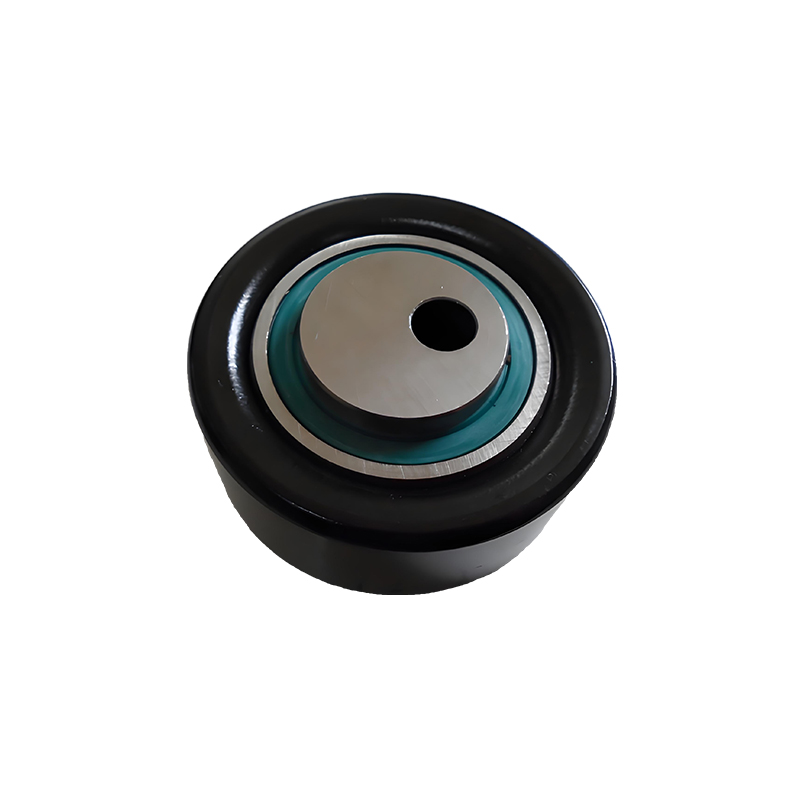
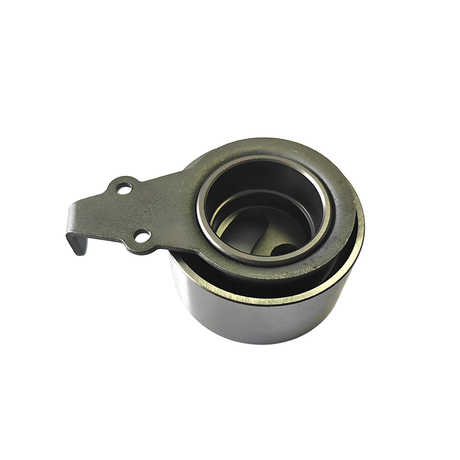
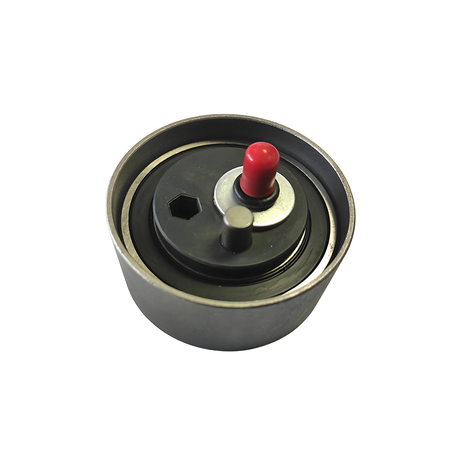
Automobile tightening wheel bearings are key components in the engine timing system or accessories transmission system. They are mainly used to automatically adjust belt tension and ensure stable transmission between the belt and the pulley. Its advantages and disadvantages can be comprehensively analyzed from the perspectives of structural design, performance performance, maintenance costs and applicable scenarios, as follows:
Dynamic compensation: The tensioning wheel bearing can automatically adjust the tension according to the belt extension through a built-in spring or hydraulic mechanism to avoid slippage, abnormal noise or wear caused by belt slack.
Reduce faults: Stable tension prevents belt tooth jumps (timing system) or falls off (attachment drivetrain), reducing the risk of engine damage (such as the top valve).
Extend life: Compared with the manually adjusted fixed tensioner, the automatic tightening wheel can reduce abnormal wear and tear on the belt and pulleys and extend the replacement cycle (usually extended from 60,000 kilometers to more than 100,000 kilometers).
Integrated design: Tightening wheel bearings usually integrate bearings, tightening arms and springs. They are small in size and light in weight, suitable for a compact layout in the engine compartment.
Modular installation: The original vehicle parts can be replaced directly without complicated adjustments, making it easy to disassemble and assemble during maintenance, saving labor time.
Precision bearings: High-precision ball or roller bearings are used, with low rotational resistance and low friction noise.
Damping design: Some tightening wheels have built-in damping mechanisms (such as rubber bushings or hydraulic buffering) that can absorb belt vibrations and further reduce noise.
Multi-scenario applications: suitable for various transmission systems such as timing belts, generator belts, air-conditioning belts, etc., covering gasoline vehicles, diesel vehicles and hybrid models.
Temperature resistance: The bearing seal design prevents grease leakage and maintains stable performance in the range of -40°C to 150°C to adapt to extreme operating conditions.
Reduce downtime: The automatic tightening function reduces the belt failure rate and avoids engine overhaul caused by belt breakage.
Economy: Although the unit price is higher than ordinary bearings, the overall maintenance cost (replacement frequency + labor cost) is lower.
Materials and Process: Tightening wheel bearings require integrated spring, damping and sealing structures. The material cost (such as high-carbon steel, high-temperature resistant rubber) and manufacturing processes (such as precision stamping, heat treatment) are higher, resulting in the price being 2 to 3 times that of ordinary bearings.
Brand premium: Original parts or well-known brands (such as INA, SKF, NTN) are more expensive, further pushing up the initial procurement cost.
Multi-component coordination: The failure of the tightening wheel bearing may result from bearing wear, spring failure, damping damage or seal oil leakage. It needs to be checked one by one, and the technical requirements for maintenance personnel are high.
Concealed faults: If the internal spring breaks or damping fails, it may only manifest as slight abnormal noise or tension fluctuations, which are easily overlooked and cause the problem to worsen.
Non-disassembled design: Most tightening wheel bearings are disposable seals, and they need to be replaced as a whole after damage. The bearings or springs cannot be replaced separately, which increases maintenance costs.
Space limitation: In models with compact engine compartment layout, the tightening wheels may be in difficult to reach (such as in the timing cover), and multiple parts need to be removed before replacement is expensive.
Tension preset: When replacing the tightening wheel bearing, special tools must be used to adjust the initial tension. If it is installed improperly (such as excessive or too small tension), it may cause premature wear of the belt or system vibration.
Central requirements: During installation, it is necessary to ensure that the tightening wheel is perpendicular to the belt plane. Deflection may cause the bearing to be loaded and accelerated damage.
Pollution risk: In dusty or humid environments, the seal may age ahead of time, causing dust or moisture to enter the bearing, causing grease to deteriorate or corrosion.
Overload risk: If the belt transmission system is loaded too much (such as the generator load suddenly changes), it may exceed the designed load-bearing capacity of the tightening wheel bearing, resulting in spring fatigue or bearing damage.
Recommended use:
High-value equipment (such as engine timing systems) that require long-term stable operation.
Noise-sensitive models (such as luxury cars or electric cars).
Scenarios with long maintenance cycles or low maintenance convenience (such as long-distance transportation of commercial vehicles).
Choose carefully:
Low-end models with limited budget and mild ambient use (consider manual adjustment of tensioner + normal bearing combinations can be considered).
In extreme operating conditions (such as long-term high temperature, high humidity or heavy load), regular inspection and sealing and maintenance are required.
Automotive tightening wheel bearings have become the mainstream choice for modern engine transmission systems with automatic adjustment, stable operation and economic maintenance as their core advantages, but their high cost, complex structure and installation requirements also need to be weighed in the selection and use. It is recommended to give priority to original or well-known brand products, and regularly check the belt tension and tightening wheel status (such as checking every 20,000 kilometers) to fully utilize its performance and extend its service life.