English

Views: 0 Author: Site Editor Publish Time: 2025-07-19 Origin: Site


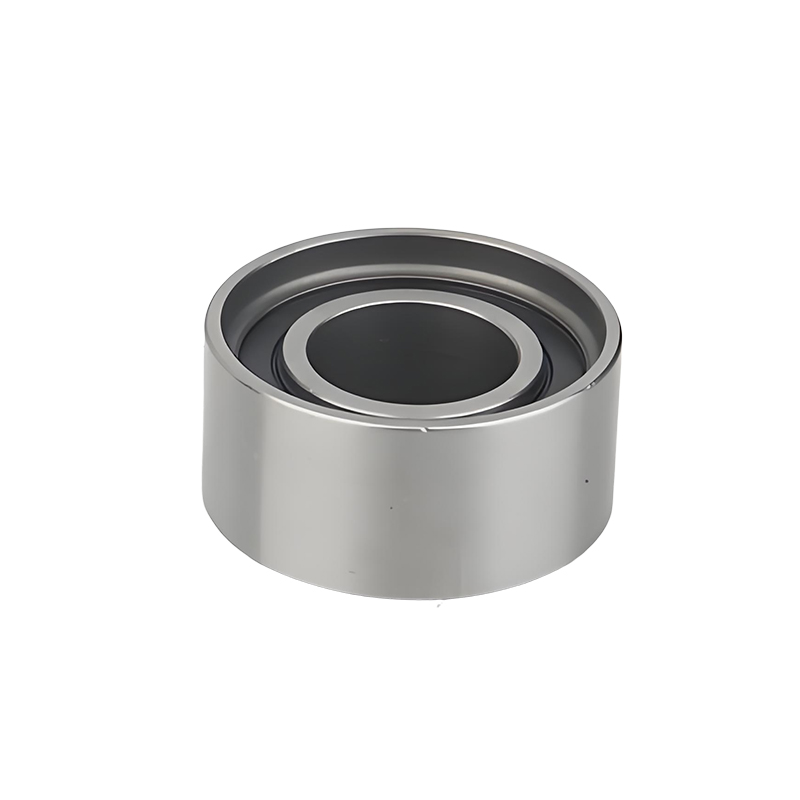
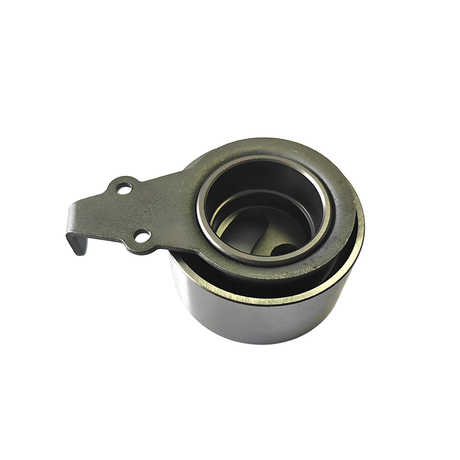
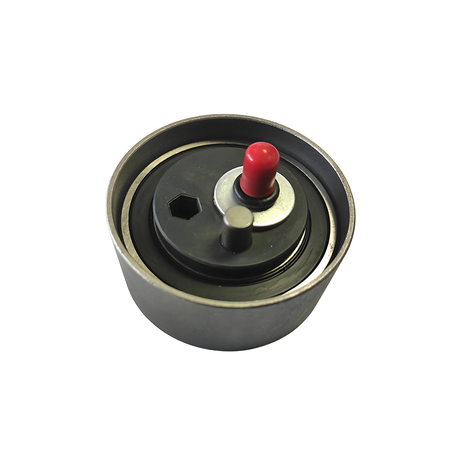
Special bearings for automotive tightening wheels are key components in the timing system or accessories transmission system of the automobile engine. They are mainly used to support the tightening wheels and ensure their smooth rotation, thereby maintaining the tension of the belt (such as timing belts and accessories belts) and preventing the belt from slipping or falling off. Its application range is wide, covering different vehicle models, engine types and usage scenarios. The following is a detailed analysis:
Passenger cars (sedans, SUVs, MPVs, etc.)
Economy models: The engine mostly uses a single accessory belt (drives the air conditioner compressor, generator, etc.), and the belt tension needs to be maintained through tightening wheel bearings.
Luxury models: The engine may be equipped with multiple belts (such as timing belt + accessory belt) or complex tensioning systems, which require higher accuracy and durability of the bearing.
Application scenario: Almost all passenger car engines equipped with belt transmission require tightening wheel bearings.
Typical models:
Advantages: Compact design adapts to engine compartment space limitations, low noise operation meets comfort needs.
Commercial vehicles (trucks, buses, light trucks, etc.)
Heavy duty truck: The engine may use a dual-belt drive system (such as timing belt + cooling fan belt) and needs to be dispersed through tightening wheel bearings.
Urban buses: The engine needs to idle for a long time or start and stop frequently, and the tightening wheel bearings must have fatigue resistance and high temperature resistance.
Application scenarios: Commercial vehicle engines have high power and high load, and the reliability requirements for belt transmission systems are stricter.
Typical models:
Advantages: High load-bearing capacity adapts to large torque transmission, long life design reduces maintenance frequency.
New energy vehicles (hybrid, pure electric)
Hybrid models: For example, Toyota Prius and Honda Accord Hybrid, its engine still requires belt drive accessories (such as water pumps, air conditioning compressors), and tightening wheel bearings are required.
Pure electric models: Some models of electric compressors or cooling pumps may be driven by belts (less common), but more directly driven by motors, and tightening wheel bearings are less used.
Application scenarios:
Trend: With the popularization of direct drive technology for new energy vehicles, the demand for tightening wheel bearings may gradually decrease, but it is still a key component in hybrid models.
Gasoline engine
Single overhead camshaft (SOHC) engine: For example, the early Volkswagen EA111 engines are usually equipped with 1-2 tightening wheel bearings.
Double overhead camshaft (DOHC) engines: For example, the Hyundai Theta series engines may be equipped with 2-3 tightening wheel bearings (timing belt + accessory belt).
Application scenario: Most gasoline engines use belt transmission systems, and the tension of the timing belt or accessory belt needs to be maintained through tightening wheel bearings.
Typical configuration:
Advantages: Low friction design improves fuel economy, high temperature resistant seal adapts to the working temperature of the gasoline engine.
Diesel engine
Application scenarios: Diesel engines have large torque and high load, and the load-bearing capacity and durability of tightening wheel bearings are more stringent.
Typical configuration:
Advantages: High-strength design adapts to high-load working conditions of diesel engines, and dust-proof seals to prevent particles from invading.
Turbocharged engine
Application scenario: The turbocharged engine has a high working temperature and high vibration, which puts forward higher requirements on the high temperature and vibration resistance of tightening wheel bearings.
Advantages: High temperature resistant materials (such as polyether etherketone PEEK) and optimized lubrication systems to adapt to turbocharged conditions.
Driving on urban roads
Characteristics of working conditions: Frequent start-stop and low-speed creeping, resulting in large fluctuations in engine temperature and frequent changes in belt tension.
Bearing requirements: It is required to have fatigue resistance (such as high-period fatigue tests) and temperature resistance (such as silicone rubber seals).
Case: Taxis or shared cars travel hundreds of kilometers a day, and tightening wheel bearings need to pass the durability test of more than 100,000 kilometers.
Long-distance highway driving
Working conditions: long-term high speed operation, stable engine load, but the belt transmission system needs to withstand continuous tension.
Bearing requirements: High-precision rotation (such as ABEC-5 level) and low friction torque (such as ceramic ball bearings) are required to reduce energy loss.
Driving in extreme environments
High temperature environment: For example, in desert areas, the engine compartment temperature may exceed 100℃, and high temperature resistant bearings (such as all-ceramic bearings or special grease) are required.
Low temperature environment: For example, in the Arctic region, the bearings need to have low temperature start performance (such as low torque seals and low temperature grease).
Dust-heavy environment: For example, in mines or construction sites, bearings must pass dustproof testing (such as IP6K9 protection level) to prevent particulate matter from invading.
High-performance modified car
Demand: Modified engines (such as turbocharger upgrades, high-power ECU adjustments) may increase the load of the belt transmission system, and tightening wheel bearings need to be upgraded.
Solution: Use reinforced bearings (such as larger size, high carbon chrome steel) or dual bearing design to disperse loads.
Classic car repair
Requirement: The tightening wheel bearings of old models may have been discontinued and need to be customized or used as alternatives.
Solution: Replicate the bearing size by reverse engineering, or use universal bearings (such as 6203ZZ) to adapt.
Match the original specifications: Select the bearing model (such as OE number) according to the model maintenance manual to ensure the size, load and speed are matched.
Material and technology: High carbon chromium steel (GCr15) bearings are preferred, and after quenching + tempering, the hardness reaches HRC60-65.
Sealing design: Use double-lip sealing rings (such as NBR+PTFE composite material) to prevent grease leakage and foreign matter invasion.
Installation specifications: Use special tools (such as tightening wheel bearing press) to avoid violent installation and prevent bearing deformation or cage damage.
Regular maintenance: It is recommended to check the bearing status every 60,000 kilometers. If abnormal noise, vibration or oil leakage is found, it must be replaced in time.
The scope of application of special bearings for automobile tightening wheels covers various engines of passenger cars, commercial vehicles and new energy vehicles, and is suitable for diversified driving scenarios such as cities, highways, and extreme environments. Its core value lies in ensuring the stable operation of the belt transmission system through high-precision and high-durability design, thereby ensuring the engine timing accuracy and reliability of accessories functions. When selecting a model, you need to consider the vehicle model, engine type, usage scenarios and original specifications to achieve optimal performance and life matching.