English

Views: 1 Author: Site Editor Publish Time: 2025-12-06 Origin: Site


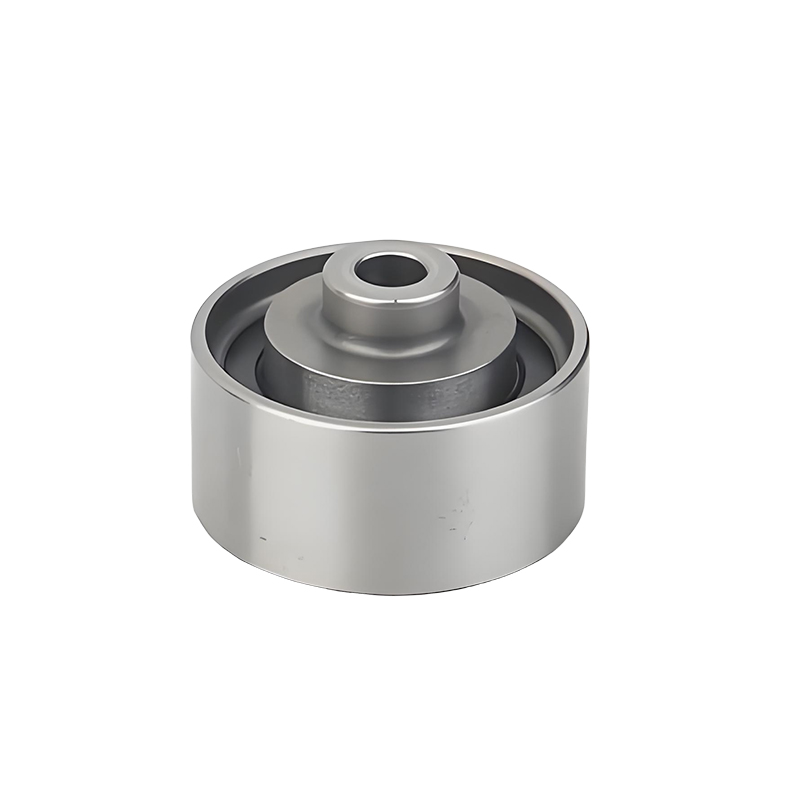
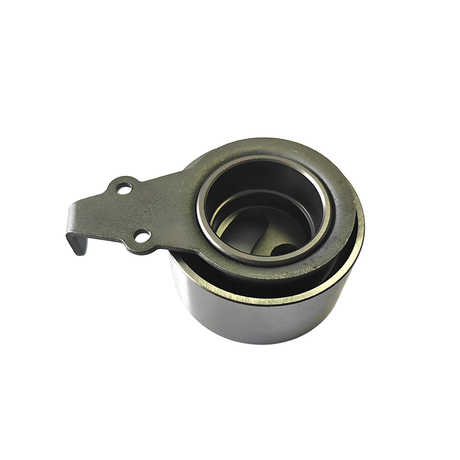
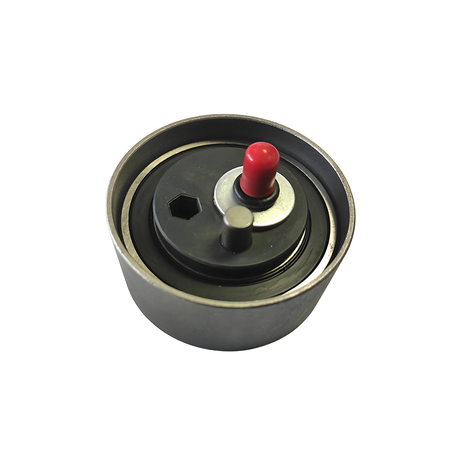
The automotive tensioner is a key component in the engine timing system or accessory transmission system. It is mainly used to adjust the belt tension and ensure stable transmission between the belt and the drive wheel. Its application scenarios are wide ranging, covering engine timing systems, accessory drive systems and performance guarantee under special working conditions, as follows:
1. Application in engine timing system
Timing belt/chain drive
Function: In the timing belt or chain drive system, the tensioner provides continuous tension through a spring or hydraulic mechanism to prevent the belt or chain from relaxing due to vibration, wear or temperature changes, and ensures that the opening and closing moments of the engine's intake and exhaust valves are accurately synchronized with the piston movement.
Typical scenario:
Timing belt drive of gasoline engine (such as some economical models).
Timing chain drive of diesel engine (needs to be equipped with hydraulic tensioner to adapt to high torque conditions).
Importance: If the tensioner fails and causes timing deviation, it may cause the valve to collide with the piston (valve jacking), causing serious damage to the engine.
Variable Valve Timing (VVT)
Function: In engines equipped with VVT technology, the tensioner pulley and the oil pressure control valve work together to adjust the tension of the timing chain or belt to dynamically adjust the valve opening and closing moments and optimize engine performance.
Typical scenario:
Turbocharged engines (such as Volkswagen EA888 series) need to accurately control valve timing at high and low speeds.
Hybrid engines (such as Toyota THS systems) need to respond quickly when switching between the motor and the engine.
2. Application in accessory drive system
Generator, air conditioning compressor, water pump drive
Function: In the accessory drive system, the tensioner adjusts the tension of the multi-V belt or serpentine belt to ensure the stable operation of accessories such as generators, air conditioning compressors, water pumps, etc., and to avoid functional failure due to belt slippage.
Typical scenario:
When the car is idling, the generator needs to keep the battery charged, and the tensioner pulley prevents the belt from slipping and causing insufficient charging.
When the air conditioner is turned on, the compressor load increases, and the tensioner automatically compensates for the tension to prevent the belt from breaking.
Structural features:
Automatic tensioning wheel: built-in spring or hydraulic mechanism, which can automatically adjust the tension as the load changes.
Manual tensioner: It requires regular inspection and manual adjustment of the bolts, which is more common in older models.
Start-stop system and 48V light hybrid system
Function: In the start-stop system or 48V light hybrid system, when the engine starts and stops frequently or the motor assists the drive, the belt load fluctuates greatly, and the tensioner needs to respond quickly to maintain transmission stability.
Typical scenario:
In urban traffic jams, the start-stop system frequently starts the engine, and the tensioner prevents the belt from relaxing due to impact.
When the 48V motor assists in acceleration, the tensioner ensures the synchronous transmission of the belt, motor and crankshaft.
3. Application under special working conditions
High load or high temperature environment
Function: In heavy-duty trucks, construction machinery or high-performance vehicles, the engine operates at high load for a long time or is in a high-temperature environment. The belt is prone to aging and slackening, and the tensioner needs to have higher heat resistance and durability.
Typical scenario:
When a diesel truck climbs a slope or is overloaded, the engine torque increases and the tensioner pulley prevents the belt from slipping.
In racing or high-performance cars on high-temperature racetracks, the tensioner material needs to resist thermal deformation.
Electric Power Steering (EPS)
Function: The electric power steering pump of some models is still driven by a belt. The tensioner wheel ensures stable steering power and avoids heavy steering or abnormal noise caused by loose belt.
Typical scenario:
Models in which the electric booster pump and the engine share a belt drive (such as some Japanese cars).
When the load of the power steering pump changes suddenly (such as low-speed, large-angle steering), the tensioner wheel quickly compensates for the tension.
4. Failure scenarios and impacts of tensioner pulleys
Belt slips or breaks
Reason: The tensioner bearing is worn, the spring fails, or the hydraulic mechanism leaks oil, resulting in insufficient tension.
as a result of:
Timing system: The valve collides with the piston and the engine is scrapped.
Accessory system: The generator stalls, the battery loses power, the air conditioner fails, and the water pump stalls, causing the engine to overheat.
Abnormal noise or vibration
Reason: The tensioner bearing is damaged or the belt is unevenly worn, causing noise or vibration during operation.
Consequences: It affects driving comfort and may cause damage to other components in the long term.
5. Maintenance and replacement suggestions
Regular inspection:
Check the belt tension (using a tensiometer) and whether the tensioner pulley is running smoothly.
Observe whether the belt has cracks, wear or oil stains (oil stains will accelerate the aging of the belt).
Replacement cycle:
Timing system tensioner: usually replaced simultaneously with the timing belt (approximately 60,000-100,000 kilometers).
Accessory system tensioner: Replace according to belt wear (approximately 80,000-120,000 kilometers).
Selection considerations:
Choose original factory or sub-factory parts with reliable quality to ensure material heat resistance, bearing accuracy and hydraulic mechanism sealing.
When replacing, it is necessary to check peripheral components such as belts and idlers at the same time to avoid chain damage caused by the failure of a single component.