English

Views: 0 Author: Site Editor Publish Time: 2025-11-19 Origin: Site


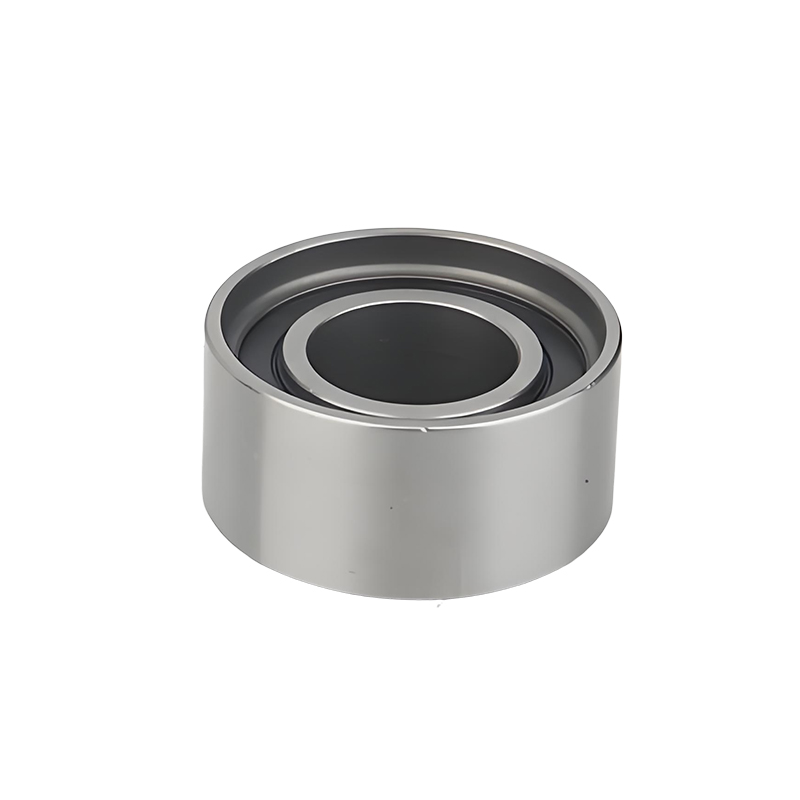
The maintenance methods of non-standard automotive tensioner bearings cover cleaning and inspection, lubrication and maintenance, installation and debugging, regular inspection and maintenance, etc., as follows:
Cleaning inspection:
Disassembly and cleaning: Remove the tensioner wheel bearing from the vehicle and use gasoline, kerosene and other cleaning agents to clean the bearing thoroughly. During the cleaning process, the bearings need to be protected to avoid contact with dirt or damage to the rolling surface.
Check the wear: After cleaning, carefully check the bearing's raceway surface, rolling surface, mating surface and cage for wear. At the same time, check whether the bearing clearance becomes larger and whether the dimensional accuracy decreases.
Lubrication maintenance:
Select lubricant: Choose the appropriate lubricant according to the bearing type and usage environment. Automotive tensioner bearings are often lubricated with butter, but in some special cases, butter cannot be used, otherwise it will cause the belt to slip.
Appropriate amount of lubricant: Add an appropriate amount of lubricant to the bearing lubrication part to avoid overfilling, which may cause spillage and stain the surrounding area during operation. The lubrication method can be smearing or dripping oil. When smearing, ensure that the lubricant is evenly distributed throughout the bearing.
Installation and debugging:
Correct installation: When installing the tensioner bearing, you need to use the correct methods and tools, and avoid strong stamping or hammering to avoid damaging the bearing or affecting performance.
Adjust the tension: After installation, adjust the tension of the tensioning wheel according to the requirements of the automobile transmission system to ensure that the belt is appropriately tight and ensures the stable, safe and reliable operation of the transmission system.
Regular inspection and maintenance:
Inspection cycle: Generally, after driving for about 2 years or 60,000 kilometers, the tensioner bearing needs to be inspected and replaced if necessary.
Operating status monitoring: During use, pay attention to the operating status of the tensioner bearing. If there is abnormal noise or local sharp temperature rise, the problem should be investigated in time.
Special notes:
Understand the maintenance requirements: Some tensioners do not support routine lubrication maintenance, some are fully enclosed and need to be replaced as a whole; some can open the oil seal for independent maintenance. Before operation, you should consult the vehicle manual or consult a professional to understand the specific maintenance requirements of the tensioner.
Follow manufacturer recommendations: Some models recommend the use of specific brands of lubricants. Manufacturer recommendations should be followed to ensure safety and effectiveness.