English

Views: 0 Author: Site Editor Publish Time: 2025-09-12 Origin: Site


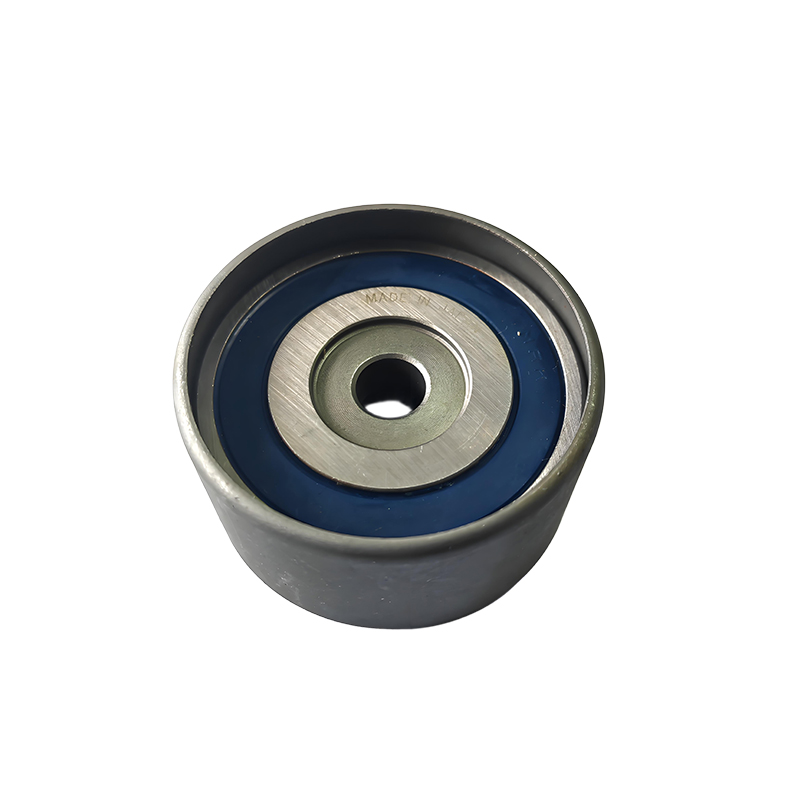
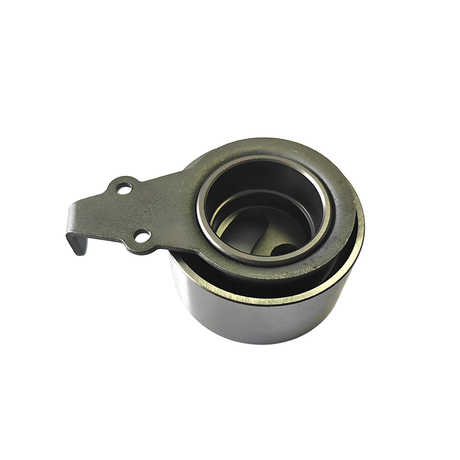
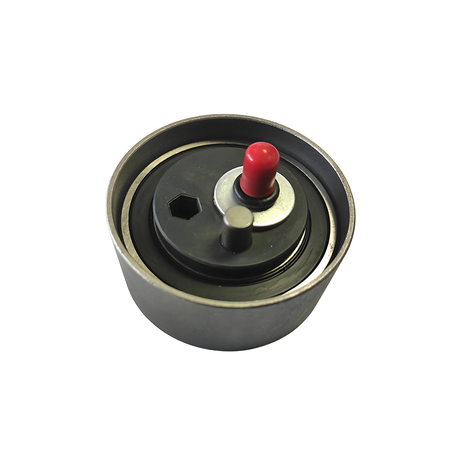
When using special bearings for automotive tightening wheels, the following matters and requirements should be paid attention to to ensure their normal operation and extend their service life:
1. Preparation before installation
Cleaning work
Before installation, the bearing and its surrounding areas must be thoroughly cleaned to prevent impurities (such as dust and metal chips) from entering the inside of the bearing to avoid aggravated wear or abnormal noise.
Use a professional cleaner to clean the installation surface and wipe dry with a clean cloth to ensure there is no oil and moisture residue.
Special tools and installation methods
It is necessary to use special tools (such as hydraulic tools) for installation. It is strictly forbidden to directly hit the bearing with a hammer to avoid damaging the internal structure or causing abnormal clearance.
During installation, make sure that the bearing race and the seat hole are closely matched and there is no loosening. If the fit is loose, the seat hole needs to be repaired or the bearings need to be replaced.
Strictly follow the vehicle model maintenance manual to avoid early failure caused by improper installation.
Anti-rust treatment
Avoid operating in humid environments and wear gloves during operation to prevent sweat from contaminating the bearings.
Check the bearings’ rust prevention regularly, and apply anti-rust oil or anti-rust grease if necessary, especially in rainy seasons or summers.
2. Lubrication requirements
Lubricant selection
Select appropriate grease or lubricating oil according to the bearing operating temperature range (-40℃ to +200℃) to ensure that it does not lose at high temperatures and does not solidify at low temperatures.
High temperature resistant and oxidative-resistant synthetic greases are preferred, such as lithium-based or molybdenum disulfide greases.
Lubrication cycle and dosage
Replenish lubricants regularly to avoid excessive or insufficient amounts. The grease filling amount is generally 1/2 to 1/3 of the inner space of the bearing, and it must be reduced to 1/3 during high-speed operation.
If the bearing temperature exceeds 70℃, the lubrication and replenishment interval should be shortened by half for every 15℃ increase.
III. Use and Maintenance
Regular inspection
Monitor bearing temperature, noise and vibration. If abnormal temperature rise, metal friction sound or irregular noise occurs, the machine must be shut down and checked immediately.
Use professional equipment to detect the bearing clearance and wear level to ensure it is in good condition.
Avoid shock and overload
Prevent the bearing from being subjected to strong impact (such as sudden acceleration, sudden braking or impacting potholes) to avoid causing scars, indentations or breakage.
Avoid long-term overload operation, rationally allocate load, and reduce single-sided hub load.
Sealing ring protection
Regularly check the integrity of the sealing ring. If it is found to be aging or loose, it needs to be replaced in time to prevent impurities such as water and soil from invading, causing rust or stagnation.
4. Replacement and storage
Replace in time
When the bearings are worn, fatigue peeled or malfunctioned, they need to be replaced immediately. It is recommended to replace them in synchronization with the timing belt to ensure the stability of the transmission system.
When replacing, choose new products that are consistent with the original bearing model and specifications, and follow the correct replacement steps.
Storage conditions
Bearings that are not used for a long time should be stored in a dry, ventilated, corrosive gas-free environment to avoid moisture or contact with magnetic fields (such as bearings with magnetic coded rings).
Keep the original packaging during storage to prevent dust from entering.