English
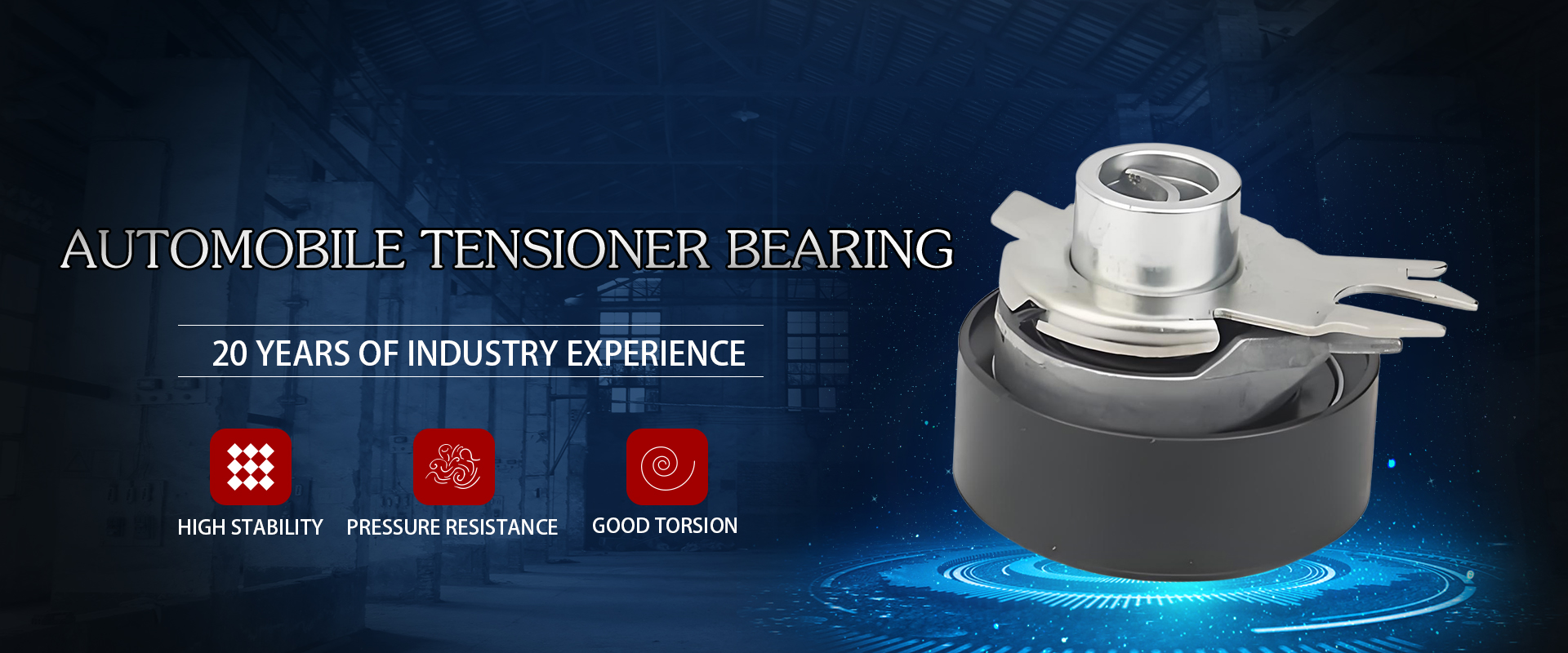

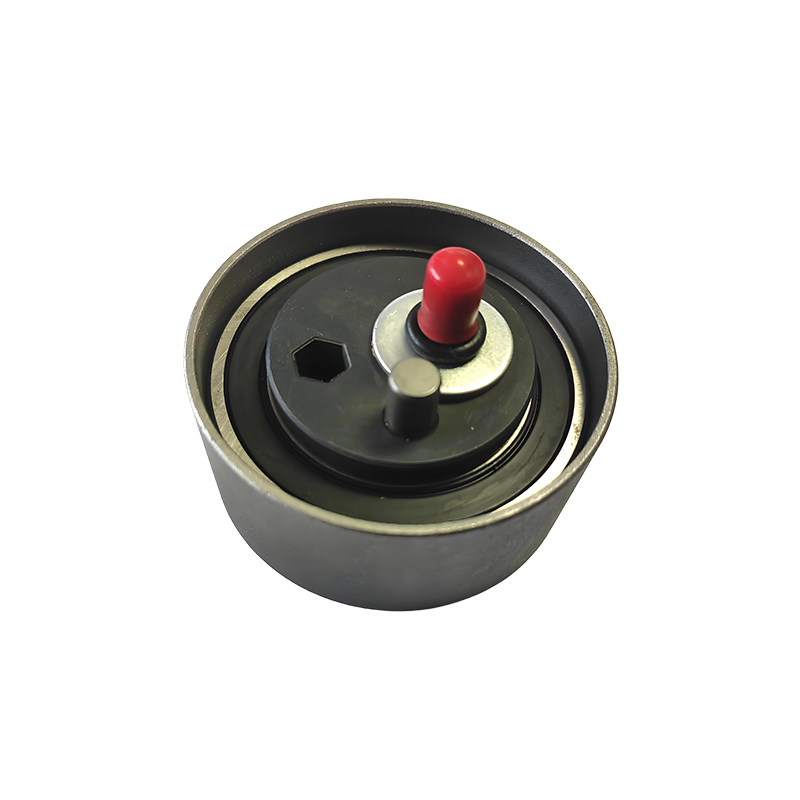
The service life of automotive tensioner bearings is usually between 60,000 and 100,000 kilometers or between 2 and 5 years. However, the specific time is affected by factors such as vehicle type, operating conditions, and maintenance conditions, and needs to be judged based on actual conditions. The following is a detailed explanation: Core influencing factors Model differences Japanese cars (such as Toyota, Honda): It is recommended to replace it every 2-4 years or 60,000-80,000 kilometers. The timing system tensioner is often maintained synchronously with the belt. German cars (such as Volkswagen and Mercedes-Benz): mostly 3-6 years or 80,000-100,000 kilometers. Some high-end models adopt a maintenance-free chain design, but the tensioner still needs to be inspected every 60,000 kilometers. American cars (such as Buick, Ford): The approximate range is 3-5 years or 70,000-90,000 kilometers, and the specific needs to be confirmed based on the engine model. Harsh working environment: long-term driving on dusty, high-temperature, humid or frequent starts and stops, the bearings are prone to accelerated wear. For example, vehicles around the construction site may cause lubrication problems due to sand and dust entering the bearing housing.
The maintenance of automobile tensioners requires comprehensive management from daily inspection, cleaning and maintenance, lubrication maintenance, installation and debugging, troubleshooting and regular replacement. The specific methods are as follows: 1. Daily inspection and monitoring Appearance inspection Regularly check whether there are cracks, wear or deformation on the surface of the tensioner, especially the belt contact surface. Observe the wear on the sides of the belt groove: if the wear exceeds 1 mm or the maximum inner width exceeds 17.1 mm, it needs to be replaced immediately. Running status monitoring: After starting the engine, listen to the tensioner pulley area for abnormal noise (such as sharp friction, dull impact). Observe whether the belt runs smoothly and whether there is jitter, jump or deviation. Check that the temperatures are normal by touching the tensioner pulley and belt with your hands (overheating may indicate a malfunction). 2. Cleaning and Maintenance Regularly clean the dust, oil and debris around the tensioner to prevent it from entering the bearing or belt groove and affecting performance. Use a glycerin and alcohol mixture to clean contaminated
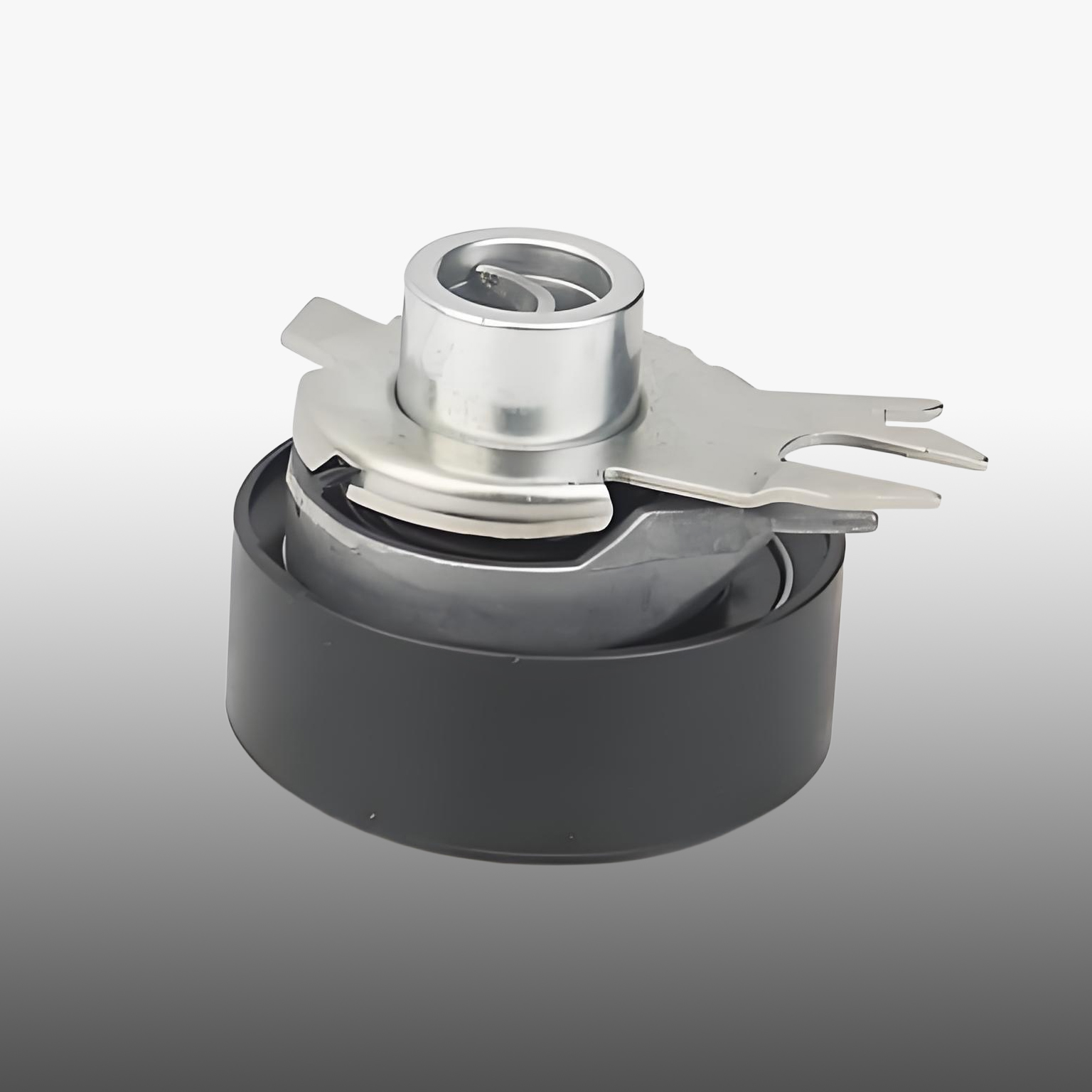
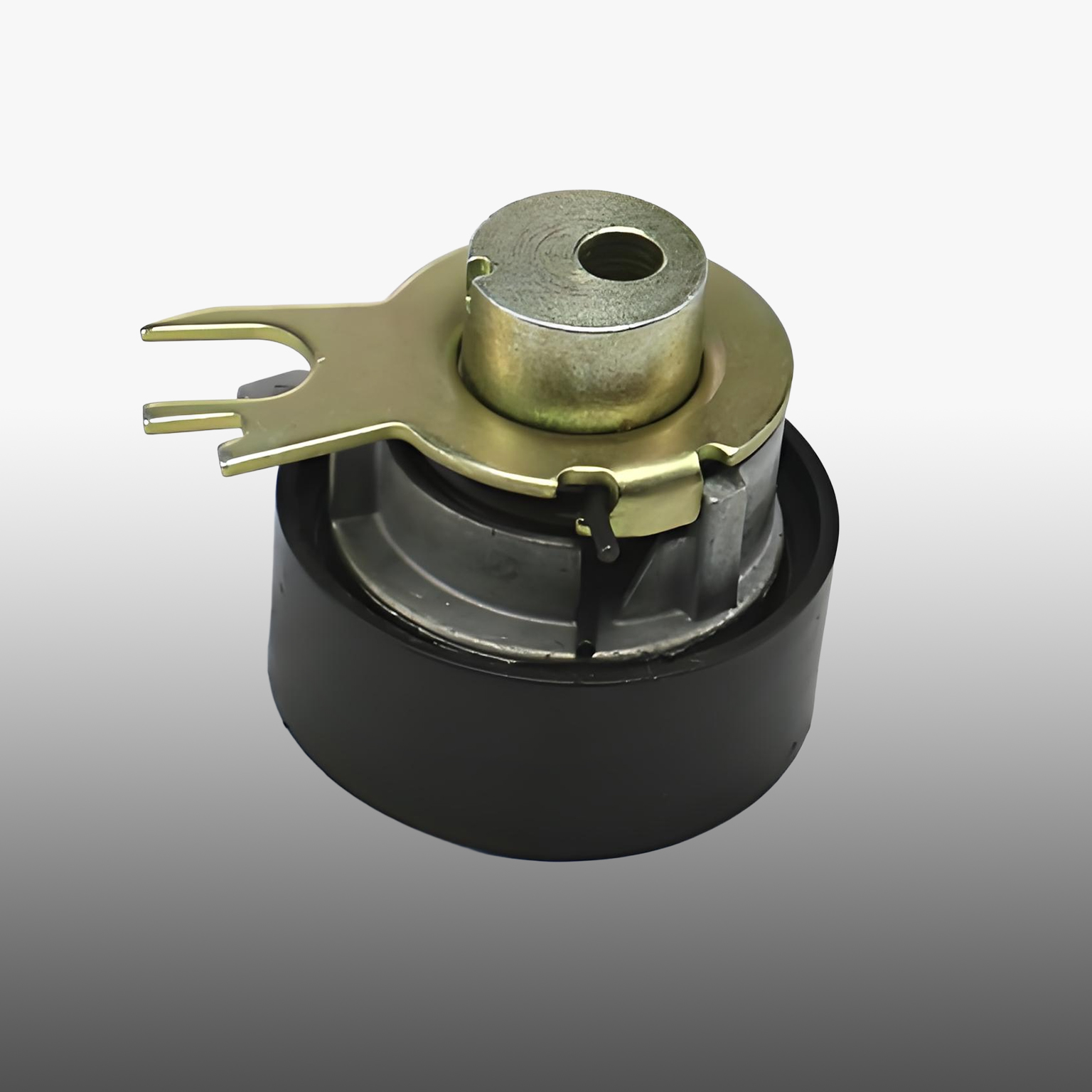
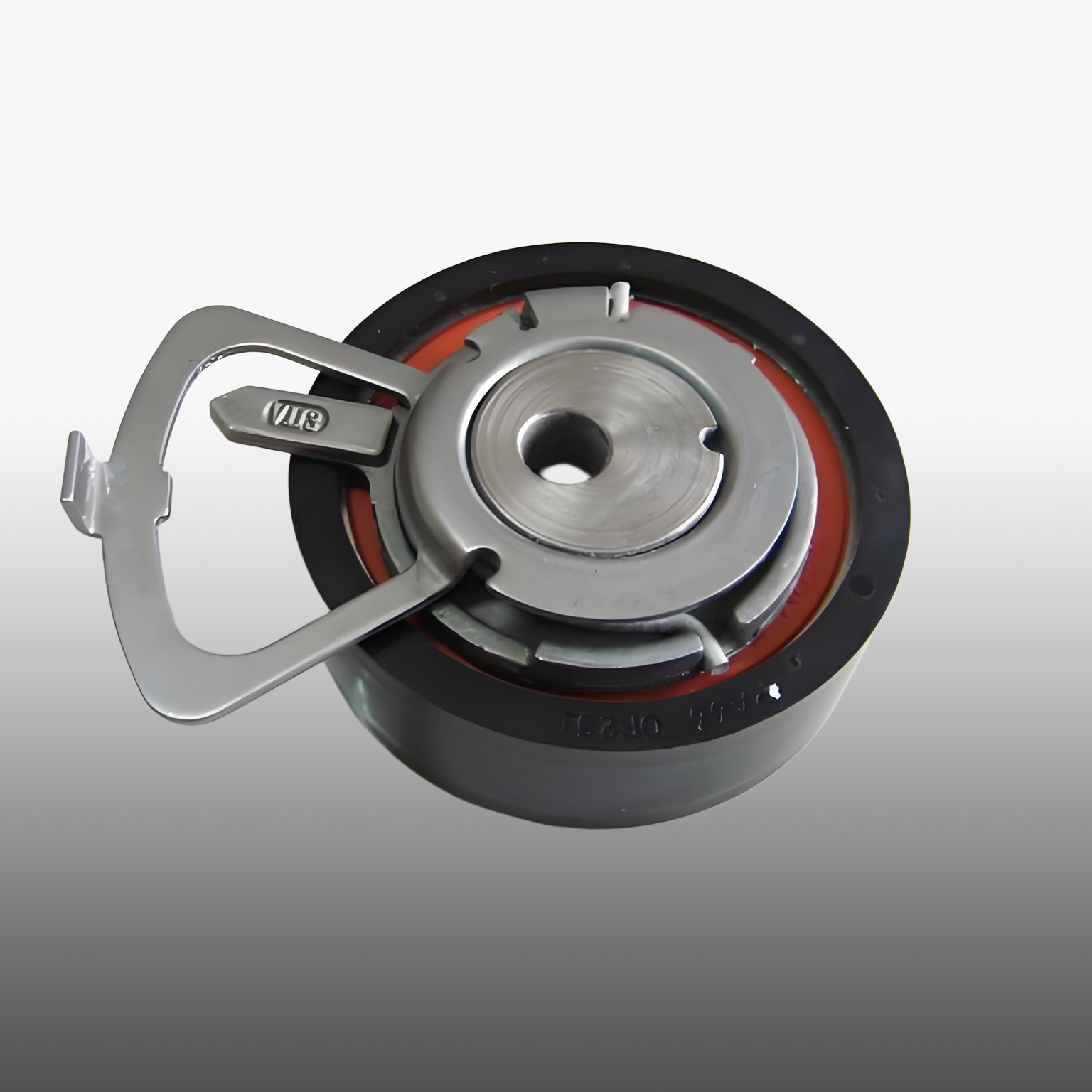
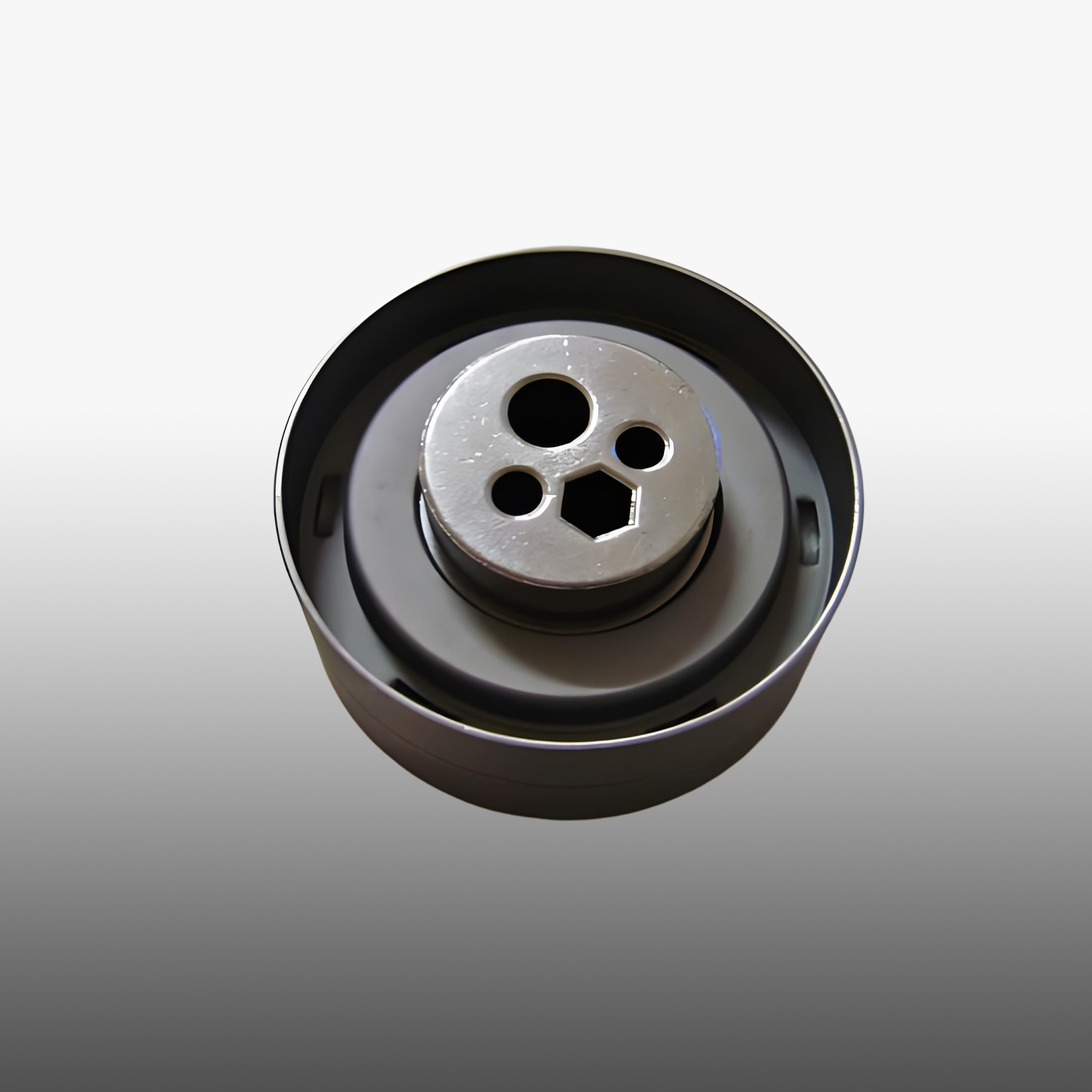
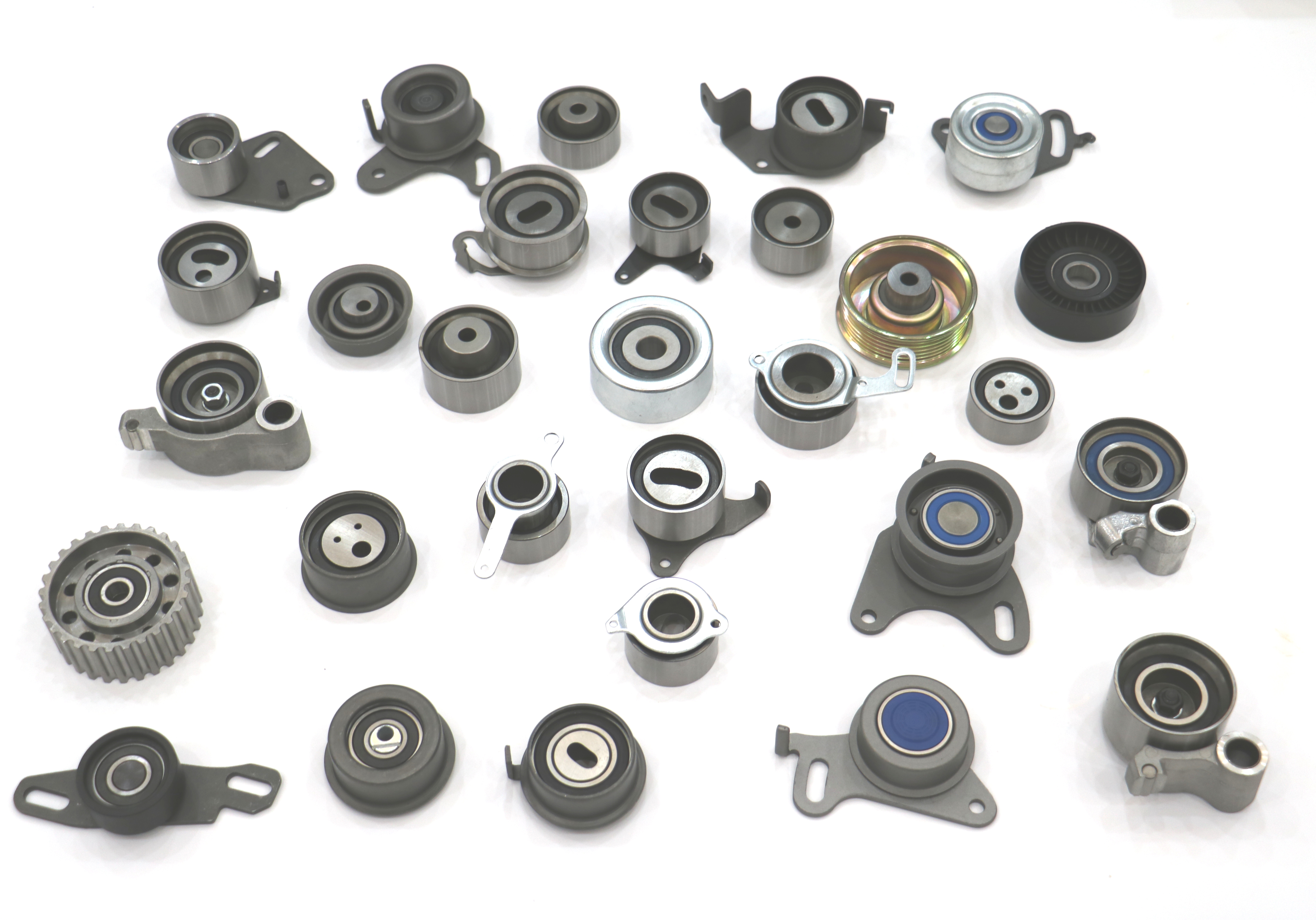
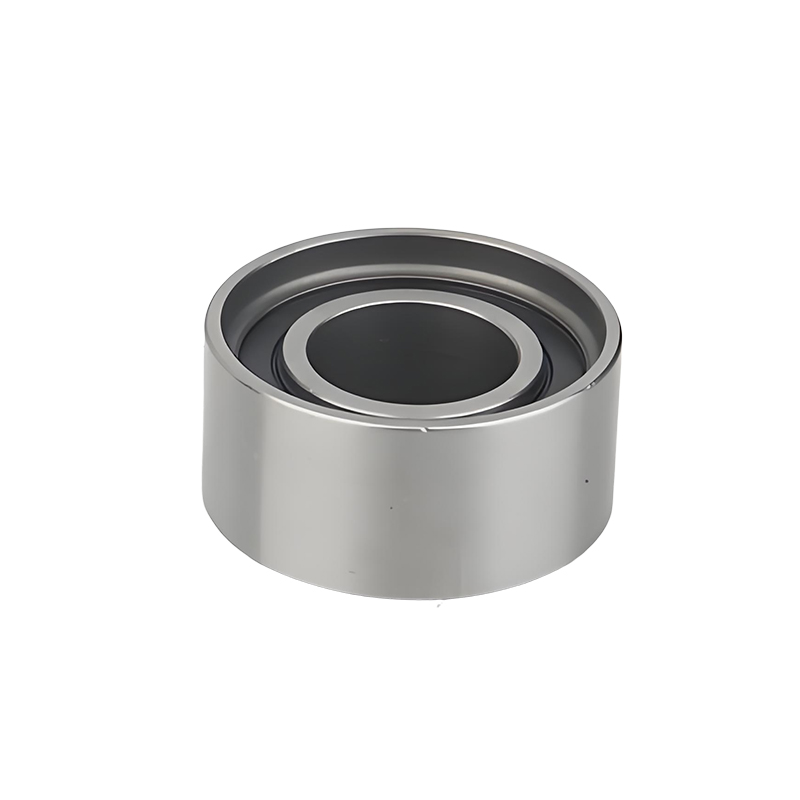
Special non-standard bearings for automotive tensioners mainly include the following types: Customized special bearings: These bearings are customized according to the special needs of automotive tensioners. The size, structure or performance parameters are different from standard bearings to meet the requirements of specific models or application scenarios. For example, the special bearings for tensioners provided by Ruian Dafei Rotation Technology Co., Ltd. are suitable for Renault Dacia DOKKER, Peugeot, Fiat, Citroën and other models. Non-standard deep groove ball bearings: Deep groove ball bearings are a widely used bearing type. Non-standard deep groove ball bearings can be adjusted in size or structure according to the needs of the tensioner. This type of bearing usually has high precision and limit speed, and can withstand certain radial and axial loads. Non-standard angular contact ball bearings: Angular contact ball bearings can withstand combined radial and axial loads. Non-standard angular contact ball bearings adjust the contact angle or size according to the specific needs of the tensioner. This type of bearing is suitable for bearings that need to bear large axial loads.