English

Views: 0 Author: Site Editor Publish Time: 2026-03-11 Origin: Site


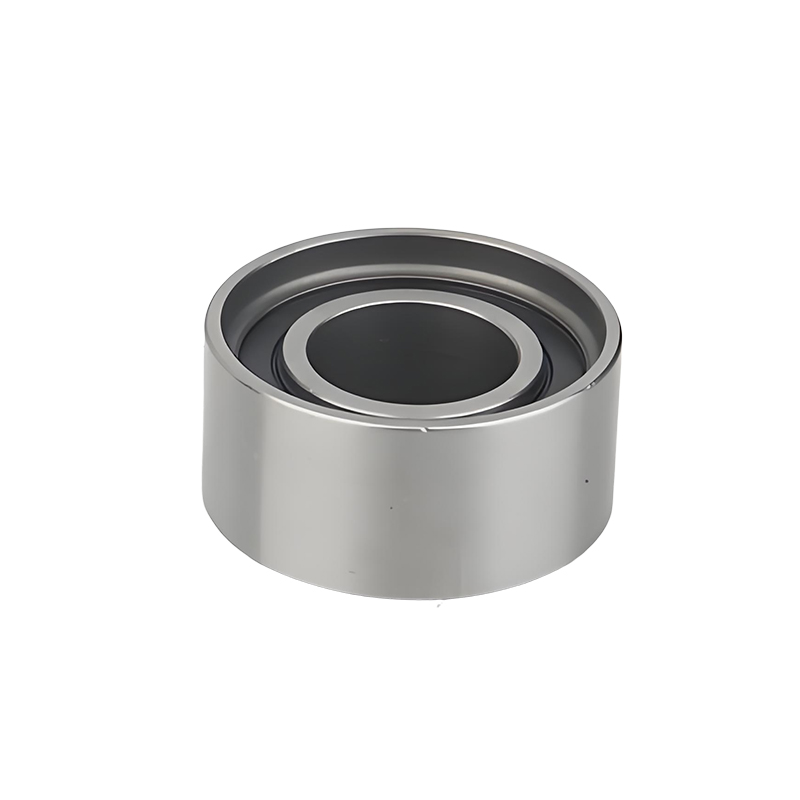
The maintenance of automobile tensioners requires comprehensive management from daily inspection, cleaning and maintenance, lubrication and maintenance, installation and debugging, troubleshooting and regular replacement. The specific methods are as follows:
1. Daily inspection and monitoring
Appearance inspection
Regularly check the surface of the tensioner pulley for cracks, wear or deformation, especially the belt contact surface.
Observe the wear on the sides of the belt groove: if the wear exceeds 1 mm or the maximum inner width exceeds 17.1 mm, it needs to be replaced immediately.
Operation status monitoring
After starting the engine, listen for abnormal noises in the tensioner area (such as sharp friction, dull impact).
Observe whether the belt runs smoothly and whether there is jitter, jump or deviation.
Check that the temperatures are normal by touching the tensioner pulley and belt with your hands (overheating may indicate a malfunction).
2. Cleaning and maintenance
Regular cleaning
Clean the dust, oil and debris around the tensioner to prevent it from entering the bearing or belt groove and affecting performance.
Use a mixture of glycerin and alcohol to clean contaminated drive belts, and avoid using cleaners or belt waxes containing gasoline, benzene, turpentine and other substances.
Storage environment
If the vehicle is parked for a long time, the tensioner should be stored in a dry and clean warehouse to avoid storing chemicals nearby.
3. Lubrication and maintenance
Lubricant selection
Select the lubricant according to the bearing type and usage environment (such as butter or high-temperature grease commonly used in automotive tensioner bearings).
Note: It is prohibited to add butter to some models (such as Trumpchi GS5 timing belt tensioner), otherwise it will cause the belt to slip.
Lubrication operation
After disassembling the tensioner bearing, clean it thoroughly with gasoline or kerosene, and check the wear of the inner and outer raceway surfaces, rolling elements and cage.
Add an appropriate amount of lubricant to the bearing lubrication part (do not overdo it), and ensure even distribution when applying or dripping oil.
Fully enclosed bearing: If it cannot be lubricated separately, it needs to be replaced as a whole together with the tensioner.
4. Installation and debugging
Installation specifications
Use special tools to remove and install the tensioner, and avoid strong stamping or hammering to prevent damage to the bearing or affect performance.
Clean the installation area before installation to ensure there is no debris and oil; check whether the fixing bolts are tightened after installation.
Tension adjustment
Adjust the tension of the tensioner according to the steps and parameters in the vehicle maintenance manual, and use a torque wrench to ensure the torque value is accurate.
Check the belt tension several times during the adjustment process (you can press the belt with your fingers to feel the tightness) to avoid being too loose (causing the belt to slip) or too tight (increasing component wear).
Start the engine for a short test run and observe whether the tensioner and belt run smoothly.
5. Troubleshooting and replacement
Common faults and solutions
Abnormal noise: Check whether the tensioner wheel vibrates excessively, and replace the faulty component if necessary.
Bearing locked: Check whether the installation is correct and adjust the belt tension to the appropriate range.
Belt deviation: Check the alignment of the pulleys and adjust the position of the tensioner pulley.
Metal contamination or oxidation: Clean up leaking coolant, oil, or damaged parts.
Regular replacement
The service life of the tensioner is generally 80,000-100,000 kilometers, but the actual replacement cycle needs to be adjusted according to the vehicle usage.
If the tensioner wheel is found to be severely worn, the spring is loose or the position is offset, it should be replaced in time.
Timing belt tensioner: usually replaced with the timing belt to ensure system stability.
6. Professional maintenance suggestions
If you are not familiar with the operation, it is recommended to go to a professional repair shop for tensioner maintenance or replacement.
Refer to the vehicle maintenance manual or the manufacturer to understand the specific maintenance requirements of the tensioner (such as lubricant type, replacement cycle, etc.).