English

Views: 1 Author: Site Editor Publish Time: 2026-03-23 Origin: Site


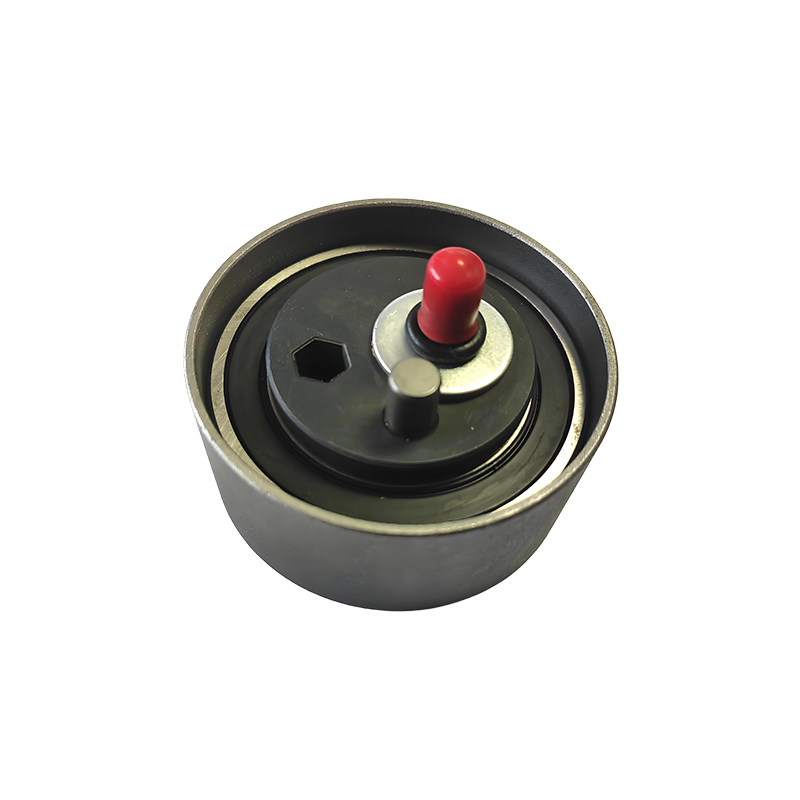
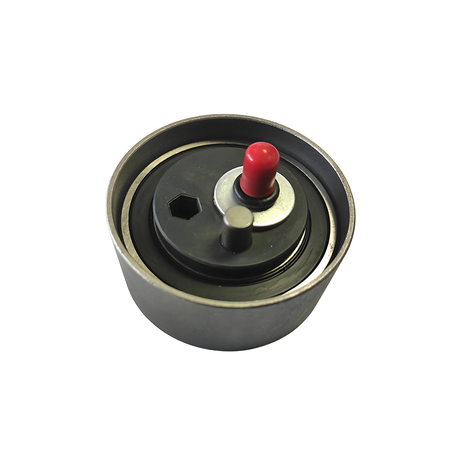
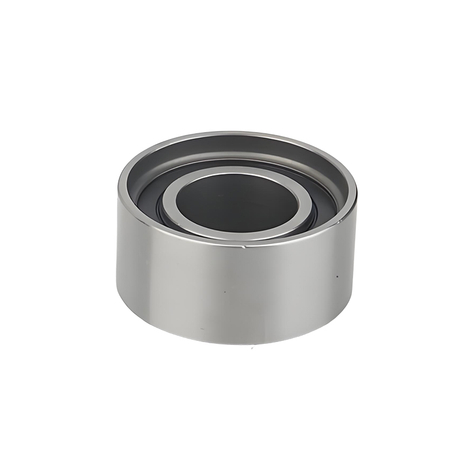
The service life of automotive tensioner bearings is usually between 60,000 and 100,000 kilometers or between 2 and 5 years. However, the specific time is affected by factors such as vehicle type, operating conditions, and maintenance conditions, and needs to be judged based on actual conditions. The following is a detailed description:
core influencing factors
Differences in models
Japanese cars (such as Toyota and Honda): It is recommended to replace it every 2-4 years or 60,000-80,000 kilometers. The timing system tensioner is often maintained simultaneously with the belt.
German cars (such as Volkswagen and Mercedes-Benz): mostly 3-6 years or 80,000-100,000 kilometers. Some high-end models adopt a maintenance-free chain design, but the tensioner still needs to be inspected every 60,000 kilometers.
American cars (such as Buick, Ford): The approximate range is 3-5 years or 70,000-90,000 kilometers, and the specific needs to be confirmed based on the engine model.
Usage conditions
Harsh environment: Long-term driving on dusty, high-temperature, humid or frequent start-stop road conditions, the bearings are prone to accelerated wear. For example, if sand and dust enter the bearing housing of vehicles around a construction site, causing lubrication failure, the bearing may need to be replaced 10,000 to 20,000 kilometers in advance.
Frequent starts and stops: When driving on congested urban roads, the engine idles for a long time and the tensioner load increases, which may shorten the service life by 20%.
Maintenance condition
Regular inspection: Check the tensioner wear, belt tension and abnormal noise every 2 years or 40,000 kilometers, and replace it proactively when approaching the upper limit of the cycle.
Synchronous replacement: It is recommended that the timing system tensioner be replaced as a set with the belt and idler (for example, the Camry 2.0L model is recommended to be replaced simultaneously after 60,000 kilometers) to avoid failure caused by the difference in wear between the old and new parts.
Lubrication maintenance: Make sure the bearings are well lubricated to avoid excessive friction caused by grease drying out.
Life extension recommendations
Choose high-quality accessories: Prioritize the use of original or brand matching tensioners to avoid early damage caused by inferior products.
Improve driving habits: Reduce violent operations such as sudden acceleration and braking, and reduce the instantaneous load on the bearings.
Take advantage of free testing: Some 4S stores provide free belt system testing. Vehicles with more than 60,000 kilometers can give priority to make an appointment to check for hidden dangers in advance.
Signal that must be replaced
If the following conditions occur, the tensioner bearing needs to be inspected and replaced immediately:
Abnormal noise: 'squeaking' sound comes from the belt area when starting or accelerating, which is more obvious during cold start.
Belt problems: cracks, aging or slack appear on the surface of the belt, and there is still no improvement after adjusting the tension.
Bearing stuck: The tensioner wheel bearing rotates stuck or has obvious slack.
Engine vibration: idling vibration and after troubleshooting the ignition system, check whether the tensioner wheel has axial movement or excessive radial clearance.