English

Views: 1 Author: Site Editor Publish Time: 2026-02-07 Origin: Site


Whether the non-standard bearing of the automobile tensioner can be lubricated needs to be judged on a case-by-case basis. The specific analysis is as follows:
1. Situations where lubricating oil cannot be added
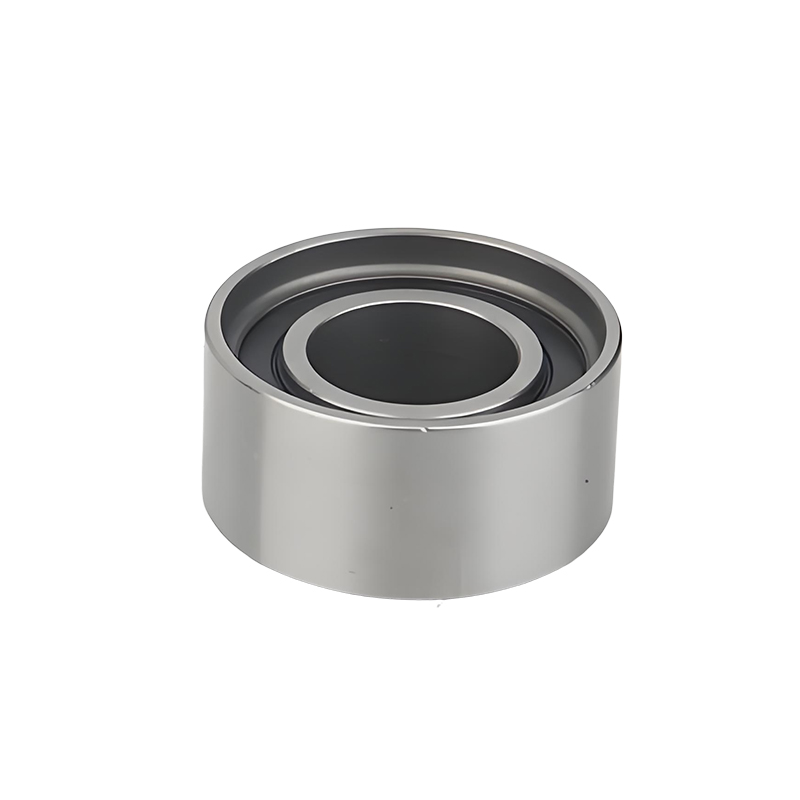
Fully enclosed bearings: Many tensioner bearings are designed with a fully enclosed structure. The internal grease has been fully filled before leaving the factory and is well sealed. External impurities cannot enter and the internal grease will not leak. This type of bearing does not need to add additional lubricating oil during normal use. If it is forcibly disassembled and added, it may damage the sealing, cause grease leakage or impurities to enter, accelerate bearing wear, and even cause failure. For example, the Trumpchi GS5's timing belt tensioner clearly does not allow the addition of butter because the friction is high when the belt is running. Adding lubricating oil may cause the belt to slip, increasing the risk.
Specific design restrictions: Some tensioner bearings cannot safely add lubricant due to design reasons (such as compact structure and limited space). Forcible operation may damage the bearing or the overall structure of the tensioner wheel, affecting its normal function.
2. Situations where lubricating oil can be added
Maintainable bearings: If the tensioner bearing has a maintainable oil seal design, and the grease inside the bearing is worn and dried up due to long-term use, causing the bearing to run poorly or make abnormal noises, you can carefully add an appropriate amount of grease at this time. Ensure correct operation before adding to avoid damage to the transmission system. For example, the tensioner bearings of some models can be maintained by opening the oil seal and adding grease.
Special characteristics of non-standard bearings: Non-standard bearings may be different from standard bearings due to size, structure or materials, and their lubrication requirements may also be different. If the non-standard bearing design allows the addition of lubricating oil, and the usage scenario has higher requirements for lubrication (such as high temperature, high load environment), it can be added according to the actual situation. However, it should be noted that the type and amount of lubricating oil added must strictly comply with the bearing design requirements to avoid failures caused by improper lubrication.
3. Operation suggestions
Check your vehicle manual: Before deciding whether to add lubricant, be sure to consult your vehicle manual or a professional to learn about the specific maintenance needs of your tensioner bearings. Vehicle manuals usually clearly indicate whether the bearings are maintainable, the recommended lubricant type and amount, and other information.
Select the appropriate lubricant: If lubricant needs to be added, the lubricant type and viscosity should be selected to match the bearing design requirements. For example, lubricants with high dropping points and good antioxidant properties should be selected in high-temperature environments; lubricants with water resistance should be selected in humid environments.
Control the amount added: When adding lubricating oil, the amount must be strictly controlled to avoid too much or too little. Too much may cause lubricating oil to leak and contaminate the wheel hub or brake disc; too little may not fully lubricate the bearings, resulting in increased wear.
Pay attention to operational safety: When adding lubricating oil, make sure the vehicle is in a safe state (such as turning off the engine, applying the handbrake, etc.) and use appropriate tools for operation. Avoid personal injury or vehicle damage due to improper operation.