English

Views: 0 Author: Site Editor Publish Time: 2026-01-31 Origin: Site


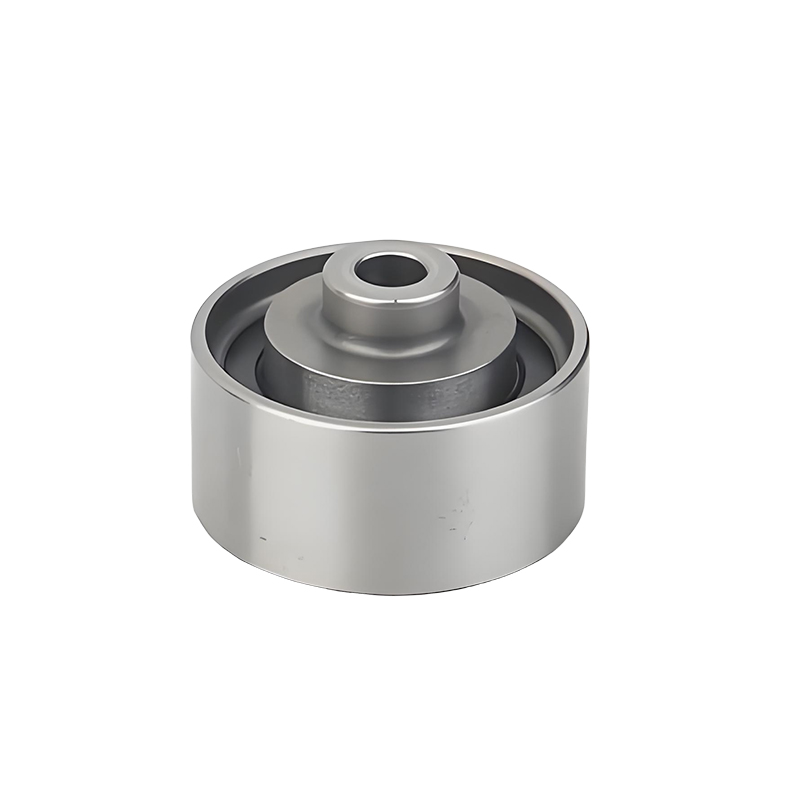
The maintenance of special bearings for automotive tensioners is crucial to ensure the stable operation of the engine timing system or accessory transmission system. Improper maintenance may result in bearing wear, abnormal noise, belt detachment and even engine damage. The following are detailed maintenance methods and steps:
1. Daily inspection and cleaning
Appearance inspection
Bearing surface: Check the outer ring of the bearing for oil stains, rust, cracks or deformation. If metal peeling or sealing ring is found to be damaged, it must be replaced immediately.
Tensioner assembly: Observe whether the tensioner arm is bent, whether the bolts are loose, and whether the belt tension is uniform (you can check by pressing the belt, the normal amount of depression is about 5-10mm).
Cleaning
Use compressed air to blow away dust and oil from the bearing and surrounding areas to prevent impurities from entering the bearing.
If there is stubborn dirt on the bearing surface, use a soft-bristled brush dipped in a small amount of gasoline or special cleaning agent to wipe it gently. Do not use hard objects to scratch.
2. Lubrication and maintenance
Grease selection
Use high-temperature and pressure-resistant grease (such as lithium-based grease or polyurea-based grease) that matches the original specifications to ensure that the temperature resistance range covers the engine operating temperature (usually -40°C to 150°C).
Lubrication cycle
Routine maintenance: Check the lubrication status every 20,000 kilometers or one year. If the grease dries out, changes color (such as blackening) or leaks, it needs to be replenished or replaced.
Harsh environment: If the vehicle is driven in a dusty, humid or high-temperature environment for a long time, it is recommended to shorten the inspection to every 10,000 kilometers.
Lubrication method
Remove the tensioner assembly (if there is no need to disassemble the bearing), and use a fine needle tube or special lubrication tool to inject grease into the gap between the bearing seal ring and the inner ring to avoid excessive filling that may cause the seal ring to rupture.
Turn the bearing manually several turns to distribute the grease evenly.
3. Seal maintenance
Seal inspection
Check whether the bearing seal ring is aged, cracked or deformed. If the seal fails, it will cause grease leakage and impurity intrusion, accelerating bearing wear.
Gently press the edge of the sealing ring and observe whether there is elastic rebound. If the rebound is slow or no rebound, replace it.
Seal replacement
When disassembling the old sealing ring, use a special tool (such as a sealing ring screwdriver) to slowly pry it out in the axial direction to avoid scratching the inner ring of the bearing.
Before installing a new sealing ring, apply a small amount of grease to the lip of the sealing ring, and then press it evenly into the bearing seat to ensure that the sealing ring and the bearing outer ring fit tightly.
4. Installation and debugging
Installation specifications
Centered installation: Ensure that the axis of the bearing coincides with the axis of the tensioner arm mounting hole to avoid extra stress on the bearing caused by eccentricity.
Torque control: Use a torque wrench to tighten the tensioning wheel bolts to the original manufacturer's specified torque (usually 10-20N·m). Too tight may crack the bearing, and too loose may cause vibration.
Belt tension adjustment
After installation, use a belt tension meter to measure the belt tension to ensure it meets the vehicle model requirements (for example, the timing belt tension is usually 300-500N, and the accessory belt tension varies depending on the vehicle model).
If you do not have special tools, you can check the amount of sag by pressing the midpoint of the belt, or refer to the 'finger pressure method' standard in the maintenance manual.
5. Operation monitoring and troubleshooting
Abnormal noise detection
After starting the engine, use a stethoscope or a long-handled screwdriver to hold the bearing and listen for a 'buzzing' or 'gurgling' sound. If the sound intensifies as the rotational speed increases, the bearing may be worn or insufficiently lubricated.
temperature monitoring
Use an infrared thermometer to detect the bearing surface temperature. The temperature should be lower than 80°C during normal operation. If the temperature is too high, it may be caused by lubrication failure, installation that is too tight, or the belt that is too tight.
Vibration analysis
If periodic vibration occurs when the engine is idling or accelerating, it may be an imbalance caused by damage to the bearing raceways or rollers.
6. Preventive maintenance suggestions
Regular replacement
It is recommended to replace the special bearing of the tensioner every 60,000-80,000 kilometers or 3-4 years (even if there is no obvious fault). Because the bearing fatigue life is limited, it may suddenly fail after long-term use.
Synchronous replacement
When replacing bearings, it is recommended to replace the belt and tensioner assembly (if designed as one piece) simultaneously to avoid premature damage to the new bearing due to wear of the old parts.
operating instructions
Avoid disassembling the bearing when the engine is hot to prevent thermal expansion and contraction from causing damage to the sealing ring.
Mark the direction of the belt when disassembling, and ensure that the belt is wound in the correct direction when installing to avoid reversing the belt edge that may cause wear.