English

Views: 0 Author: Site Editor Publish Time: 2025-12-13 Origin: Site


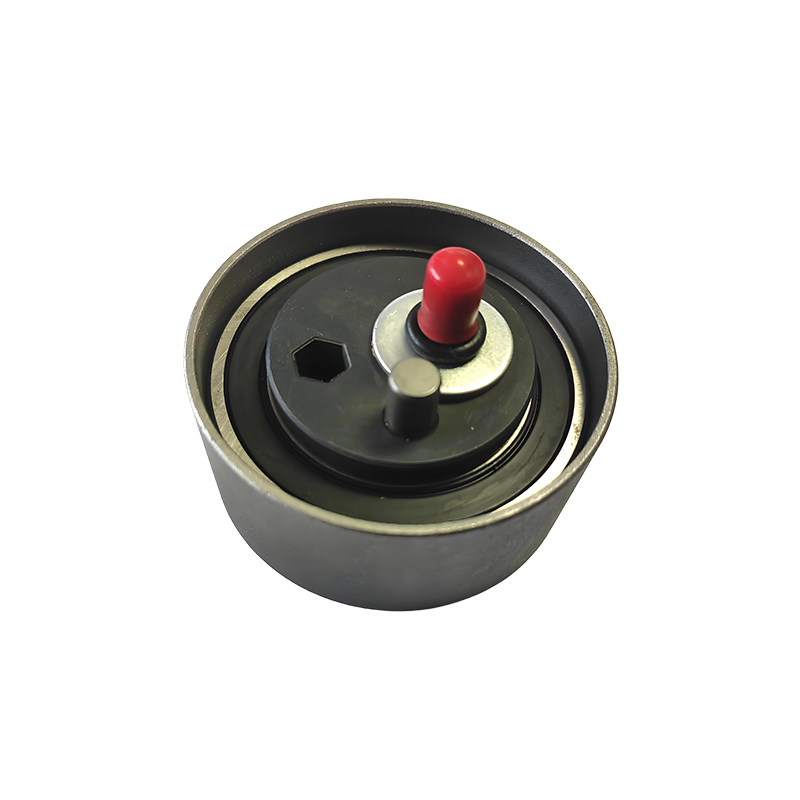
The hazards of non-standard automotive tensioner bearing failures are mainly reflected in the many negative impacts on engine performance, vehicle operating stability and safety. The specific hazards are as follows:
Engine timing system disorder: Tensioner bearing failure may lead to insufficient timing belt or chain tension, causing timing gear skipping. This will directly destroy the engine's ignition and valve timing, causing the valve and piston movement to be out of sync. In severe cases, it may cause mechanical failures such as valve top deformation and piston damage.
Decreased power and fuel efficiency: Bearing failure will increase the resistance of the transmission system, and the engine will need to consume more energy to maintain operation, resulting in weakened power output and slow acceleration. At the same time, insufficient fuel combustion will further reduce economy and increase usage costs.
Abnormal noise and vibration: Bearing wear or damage will produce metal friction, buzzing and other abnormal noises, especially when accelerating. In addition, unstable tension will cause the belt to vibrate, resulting in increased vehicle vibration and affecting driving comfort.
Transmission system cascading failure: Non-standard bearings may fail prematurely due to material or workmanship defects, resulting in belt slack, deviation or even breakage. If not handled in time, it may cause accessories such as generators and water pumps to stop spinning, resulting in secondary problems such as battery loss and engine overheating.
Safety hazards and risk of breakdown: In extreme cases, a stuck bearing or a broken belt may cause the engine to suddenly stall and the vehicle to lose power. If it occurs while driving at high speed, it can easily cause traffic accidents such as rear-end collisions, threatening the safety of the passengers.
Increased maintenance costs: Failure of non-standard bearings may accelerate the wear of other components (such as belts, tension arms, etc.), requiring simultaneous replacement of multiple sets of accessories. In addition, internal engine damage (such as valves and pistons) caused by failure is expensive to repair and may shorten the overall engine life.