English

Views: 0 Author: Site Editor Publish Time: 2025-08-20 Origin: Site


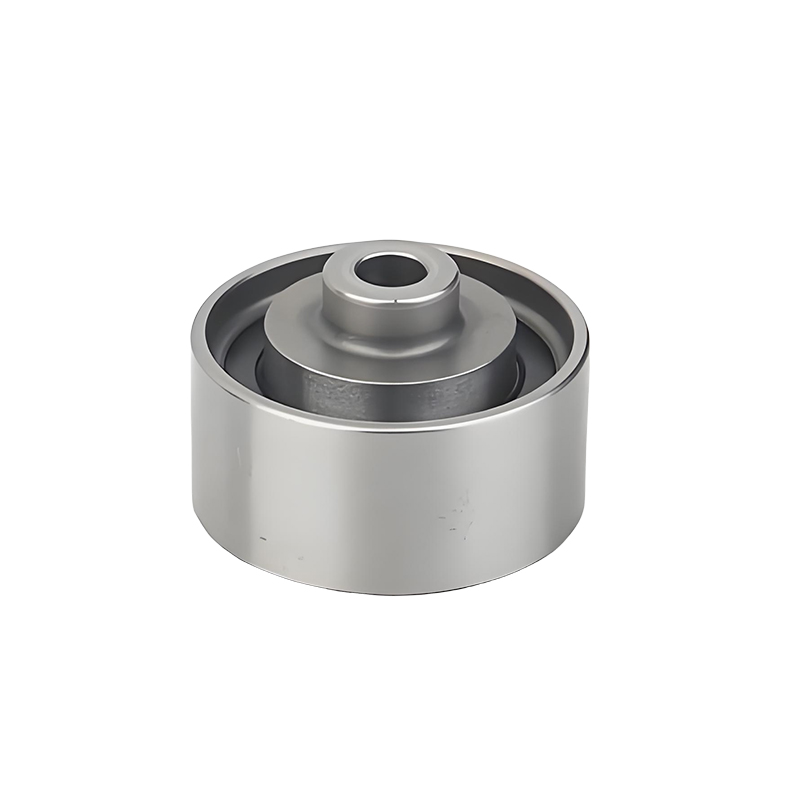
Special bearings for automotive tightening wheels are the core components that ensure the stable operation of the engine transmission system. Their characteristics are mainly reflected in five aspects: structural design, material selection, sealing performance, lubrication system, and adaptation to working conditions. The specific analysis is as follows:
1. Structural design: adapt to variable speed and load conditions
Integration and high rigidity
It adopts an integrated design made of high-quality bearing steel, with a strong and durable structure, not easy to deform, and can withstand the alternating loads of belts or chains in the transmission system. For example, the inner ring is closely matched with the shaft, the outer ring is relatively fixed or connected to the mounting parts, the rolling element (ball or roller) rolls between the inner ring and the outer ring, and the cage is separated from the rolling element to make it evenly distributed, ensuring stability during high-speed operation.
Optimized curvature and oil storage tank
The curvature of the outer ring channel and the curvature of the inner ring raceway have been optimized to meet the requirements of high-speed performance and axial trench; the cage adopts engineering plastic with oil storage tank structure, which effectively increases the bearing lubrication capacity and reduces friction and wear.
2. Material selection: high temperature resistance and high strength
High purity special bearing steel
The ferrule is processed with high-purity special high-quality bearing steel. The steel ball is made of products produced by famous domestic brands to effectively ensure the material and processing accuracy and improve the strength and wear resistance of the bearing.
High-performance sealing material
The sealing ring uses imported acrylic rubber or fluoroelastomer + stainless steel frame, which has excellent high temperature resistance, oil resistance and corrosion resistance, ensuring long-term and stable operation under harsh working conditions.
3. Sealing performance: prevent pollutants from invading
Three-lip medium contact structure
The sealing ring adopts a three-lip medium-contact structure, has high sealing performance, and is suitable for high-speed operation, effectively preventing water vapor, dust, mud, etc. from entering the bearing and extending its service life.
Lip seal design
Some products adopt a double-lip sealing structure, and the lips and mouth contact is a light contact, which not only ensures sealing, but also reduces rotational resistance, reduces energy consumption and noise.
4. Lubrication system: long-term lubrication and high temperature resistance
Synthetic oil + polyurea grease
The grease is made of synthetic oil (base oil) + polyurea-based (thickening agent) formula, which has excellent high temperature resistance and can be used for a long time in an environment above 100℃ to reduce the risk of grease leakage.
High temperature and high viscosity grease resistance
For high-temperature working conditions, high-temperature resistant and high-viscosity grease is used to solve the problem of bearing grease leakage and extend the service life to more than 500 hours (according to the tensioner test conditions).
5. Adapt to working conditions: multiple environments and long life
Resistant to high temperature, high cold and corrosion
Bearings need to operate stably in high temperatures (aberial engines), high cold (polar areas) and corrosive environments (such as coastal areas). Material selection and surface treatment processes (such as galvanizing) can enhance rust and corrosion resistance.
Low noise and low friction
The bearing surface adopts polishing and grinding process, which is smooth and burrless, reducing noise and friction during operation and improving driving comfort.
Long life and high reliability
Through optimized design and strict manufacturing processes, the bearing life is significantly extended, reducing replacement frequency and reducing maintenance costs.