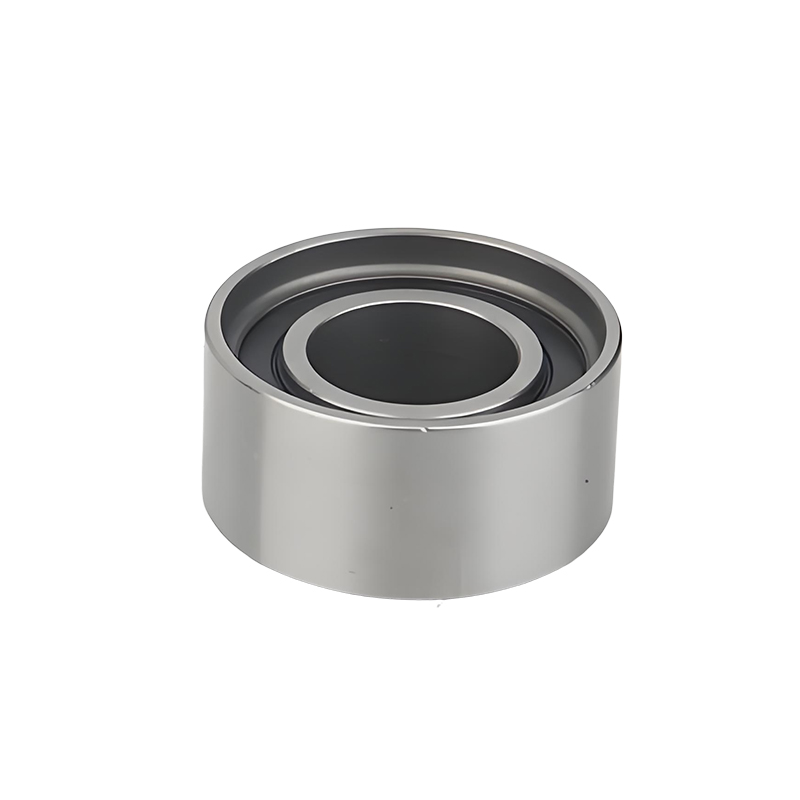
Tightened wheel bearings may fail or be damaged in the following cases: 1. Insufficient lubrication or insufficient contamination: Tightened wheel bearings require sufficient lubricating oil to reduce friction and wear. If the lubricating oil is insufficient or contaminated (such as mixed impurities, moisture, etc.), it will increase friction inside the bearing and increase temperature, which will accelerate the wear and damage of the bearing. Lubrication system failure: Lubrication system failure, such as oil pump failure, oil circuit blockage, etc., may also cause the tightened wheel bearing to not be lubricated in time, resulting in failure. 2. Overload or overload operation transmission system is overloaded: When the load borne by the automotive transmission system exceeds the designed load carrying capacity of the tightening wheel bearing, the bearing may be damaged due to overload. For example, when the vehicle is heavily loaded, climbed, or accelerated, the load on the powertrain increases, which can damage the tightened wheel bearings. Frequent start and braking: Frequent start and braking can also cause tightened wheel bearings to bear huge impact loads, thereby accelerating their grinding.