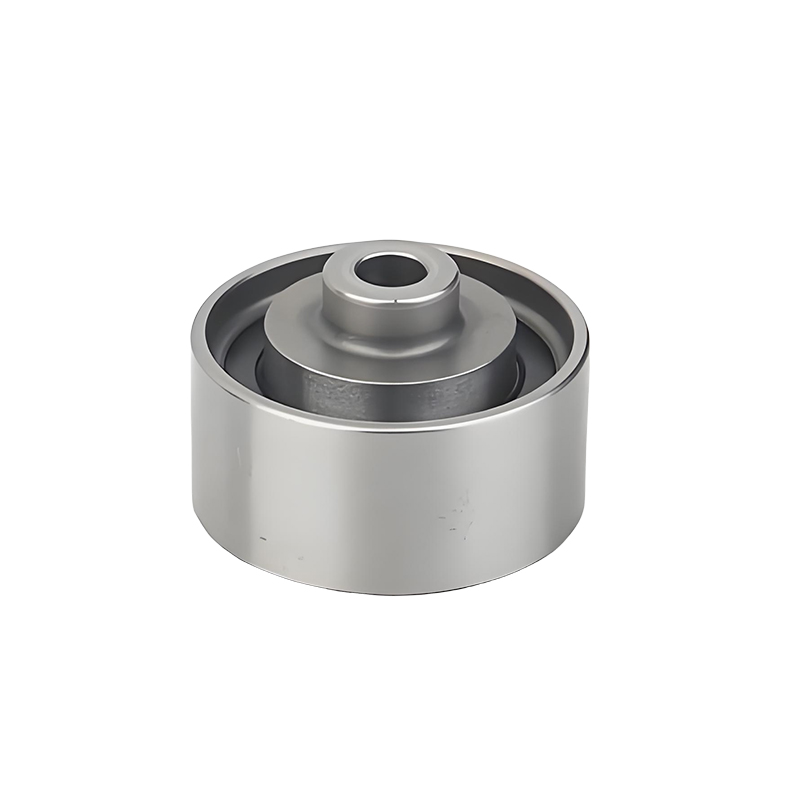
The maintenance cycle of special bearings for automotive tensioners needs to be comprehensively judged based on the vehicle model, usage environment and maintenance content. It is generally recommended to perform basic inspection and lubrication every 2 years or 60,000 kilometers, and perform in-depth maintenance at 80,000 kilometers, but the specifics need to be based on the vehicle maintenance manual. The following is a detailed description: 1. The core basis of the maintenance cycle is the basic maintenance cycle. For most models of tensioners (including special bearings), it is recommended to perform basic inspection and lubrication every 2 years or 60,000 kilometers. This cycle is suitable for regular driving environments (such as urban roads, highways), and the vehicle is not overloaded for a long time or starts and stops frequently. In-depth maintenance cycle If the vehicle is used in a harsh environment (such as dusty, humid, high temperature) or has intense driving habits (such as frequent rapid acceleration, sudden braking), it is recommended to shorten the maintenance cycle to every 80,000 kilometers for in-depth maintenance, including cleaning bearings, replacing grease, checking wear, etc. Model differences: Japanese cars: such as Mazda 6, etc., the maintenance cycle of some models can be extended to 3-